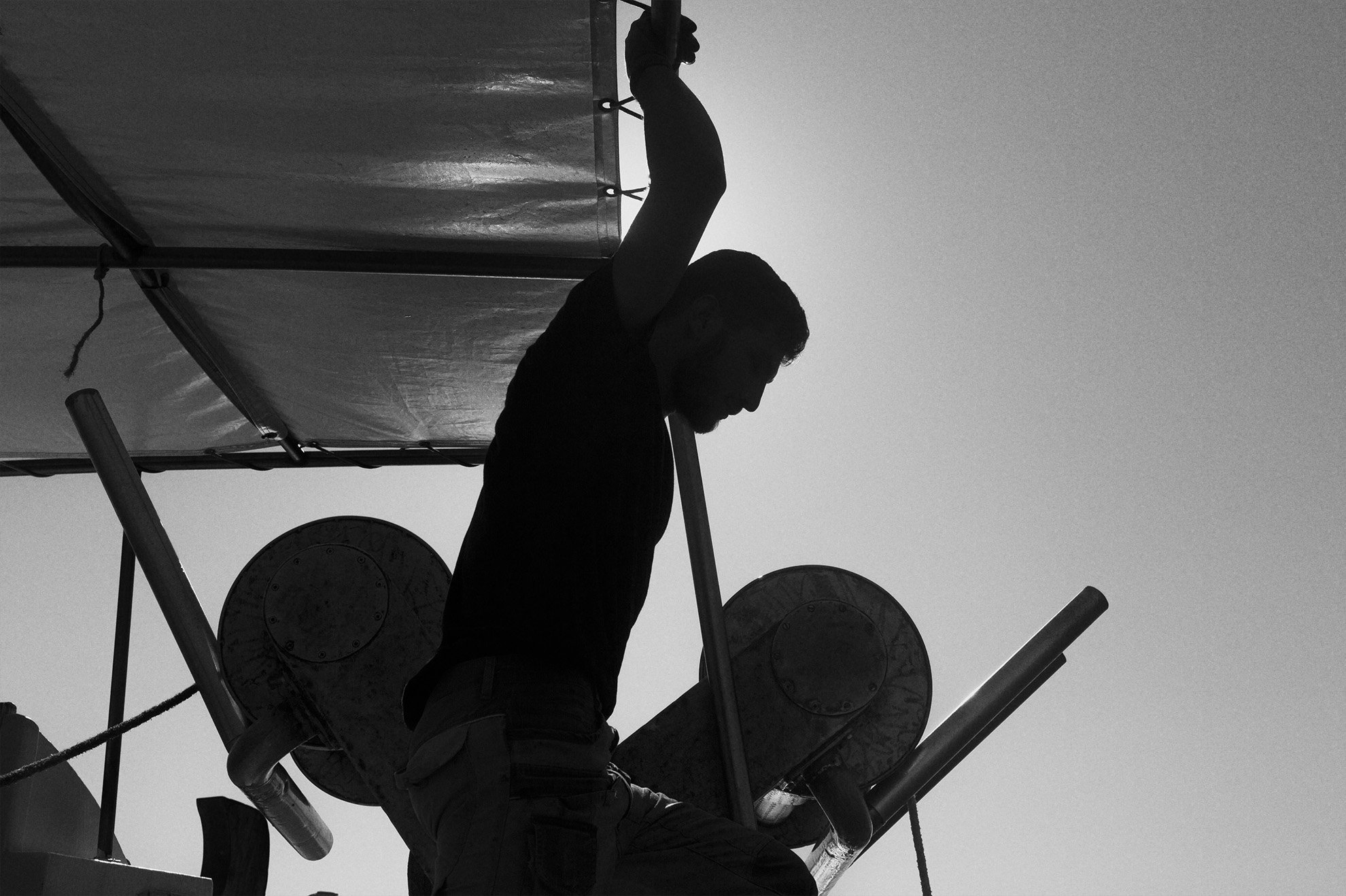
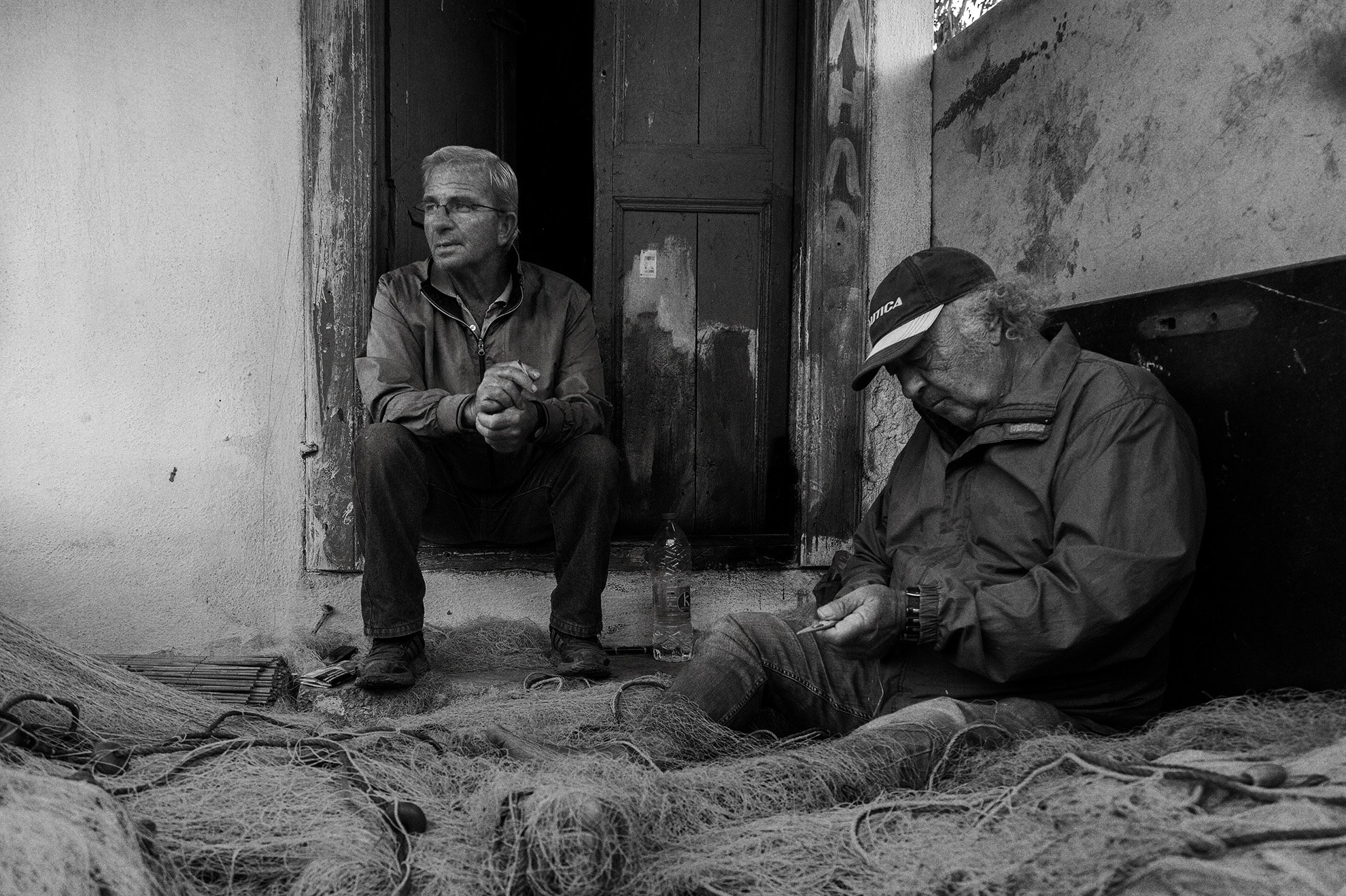
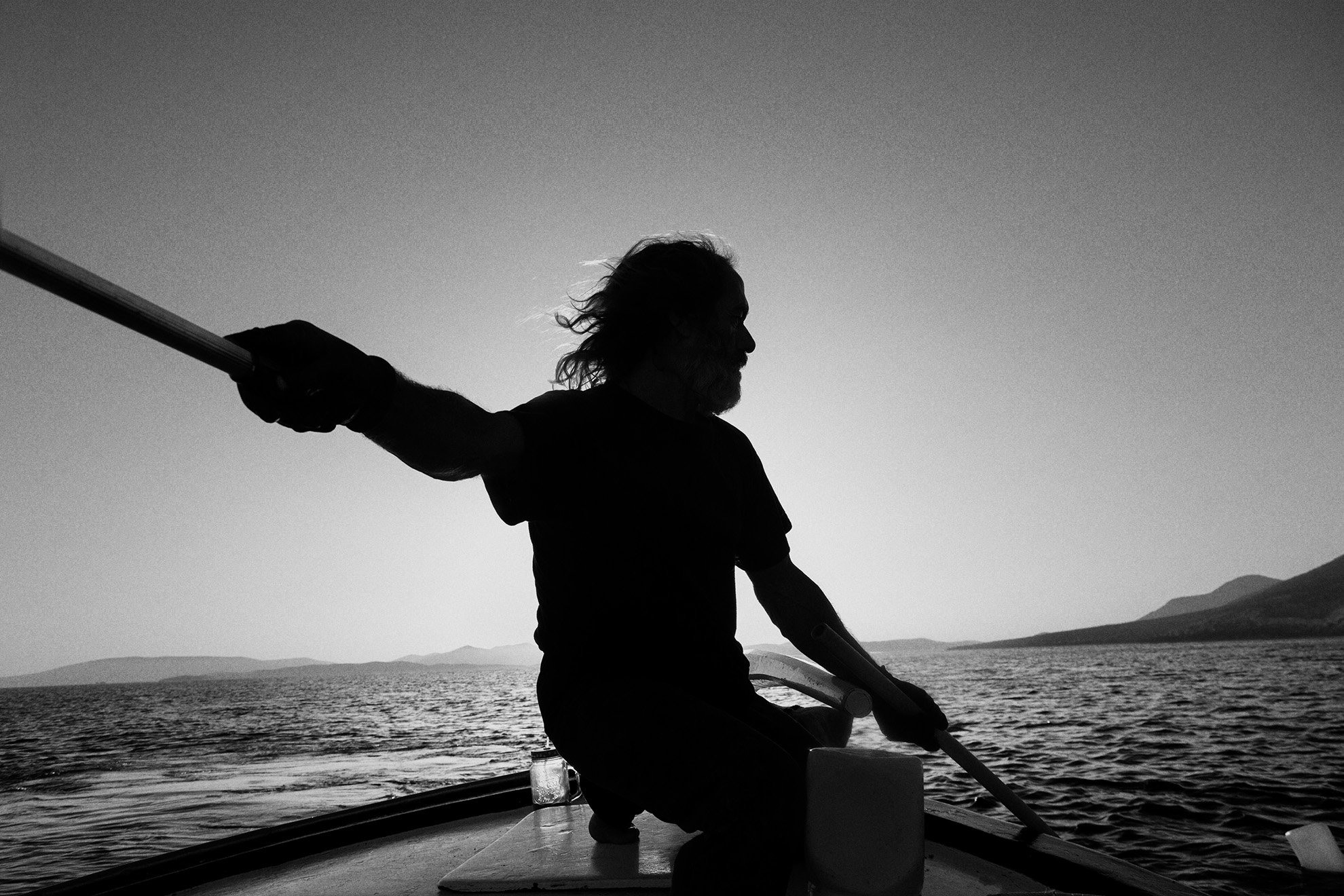
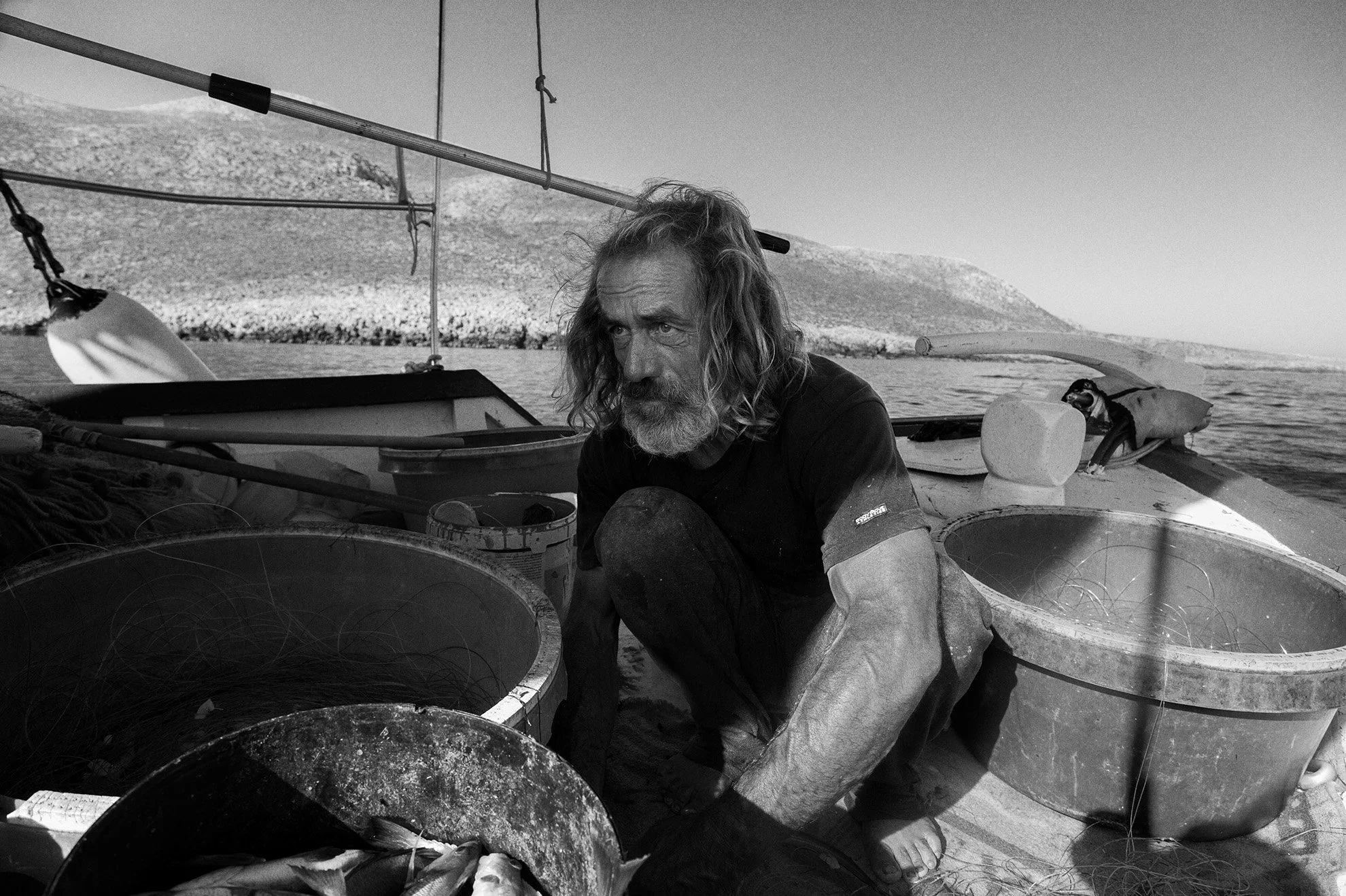
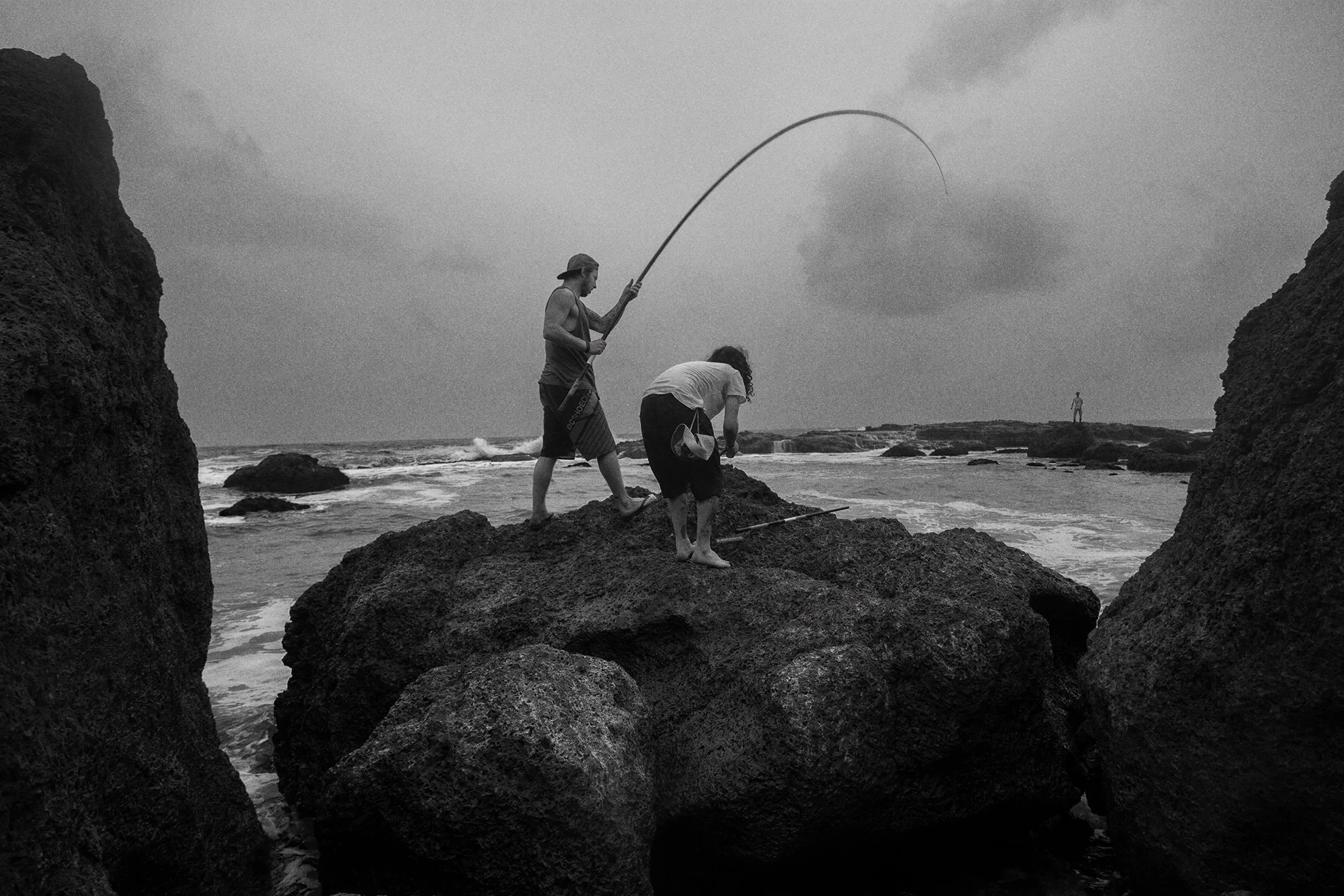
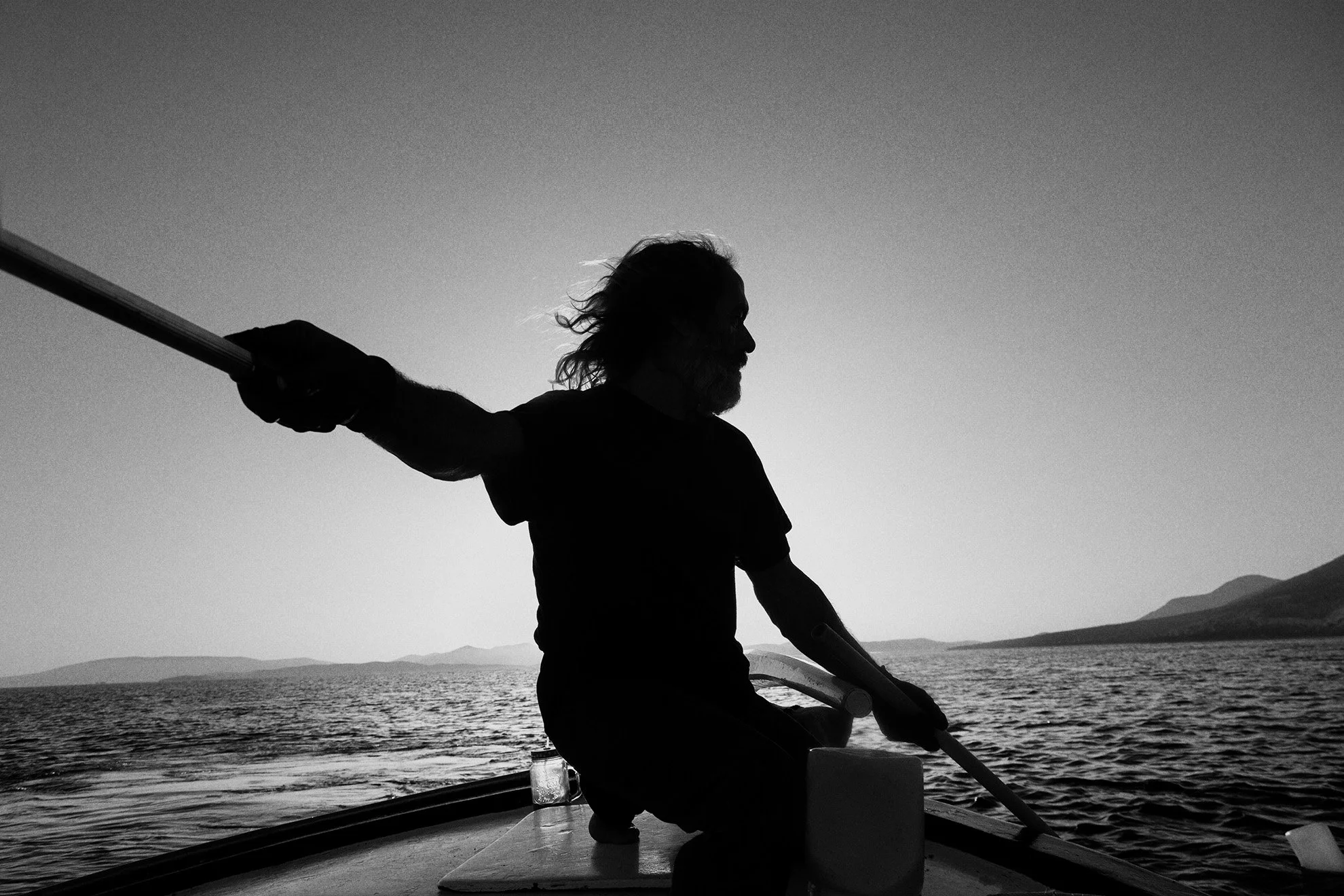
One month embeded with greek fishermen from a remote dodecanese island documenting their simple way of working that is gradually disappearing. The photography also highlights the learning and transfer of skills and know how to younger generations. This project culminated in an exbition organised with the municipality. With the constant growth of mass tourism in Greece, there is an increase on fish demand. As a result industrial fish farms are being established and traditional fishery is under stress.
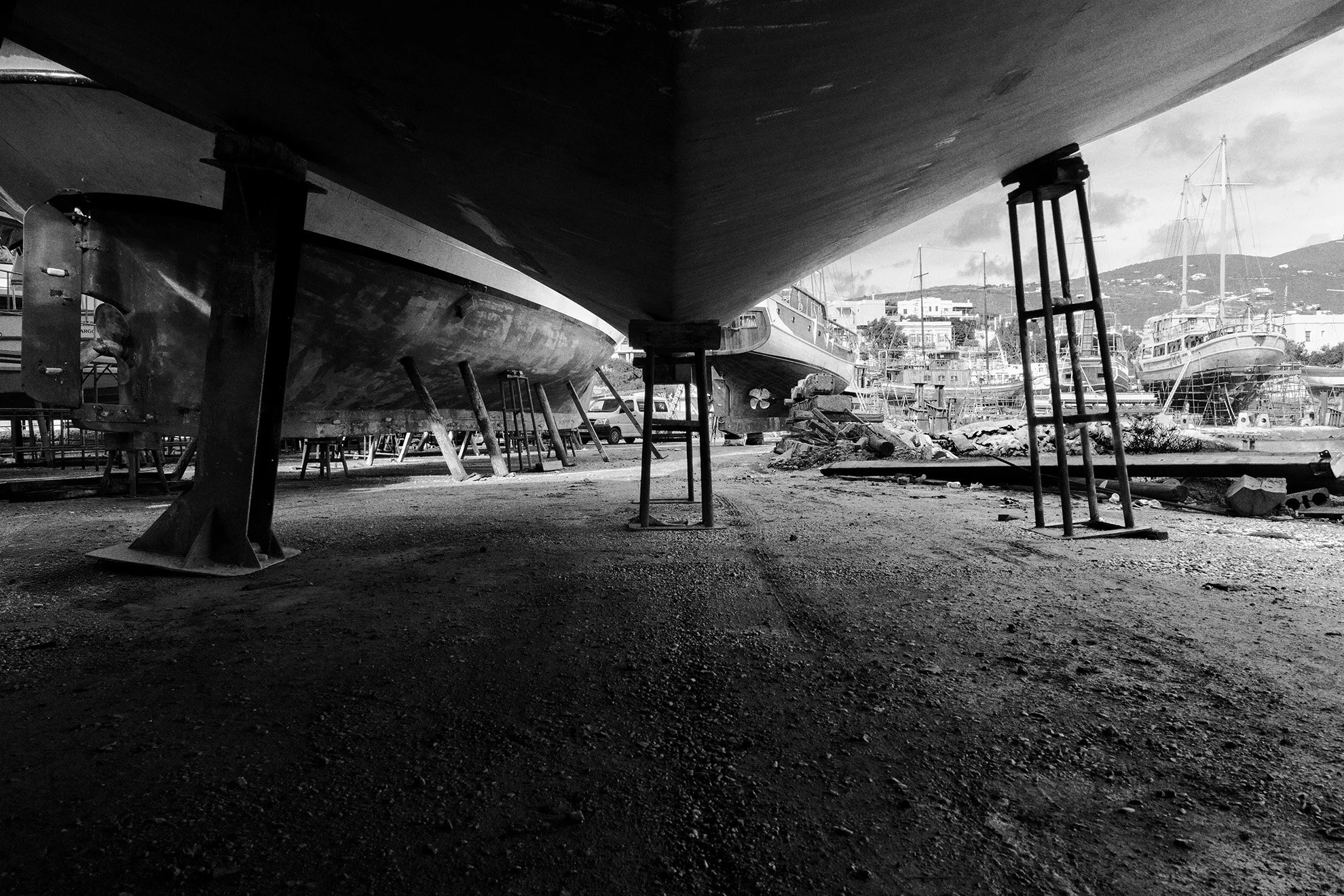
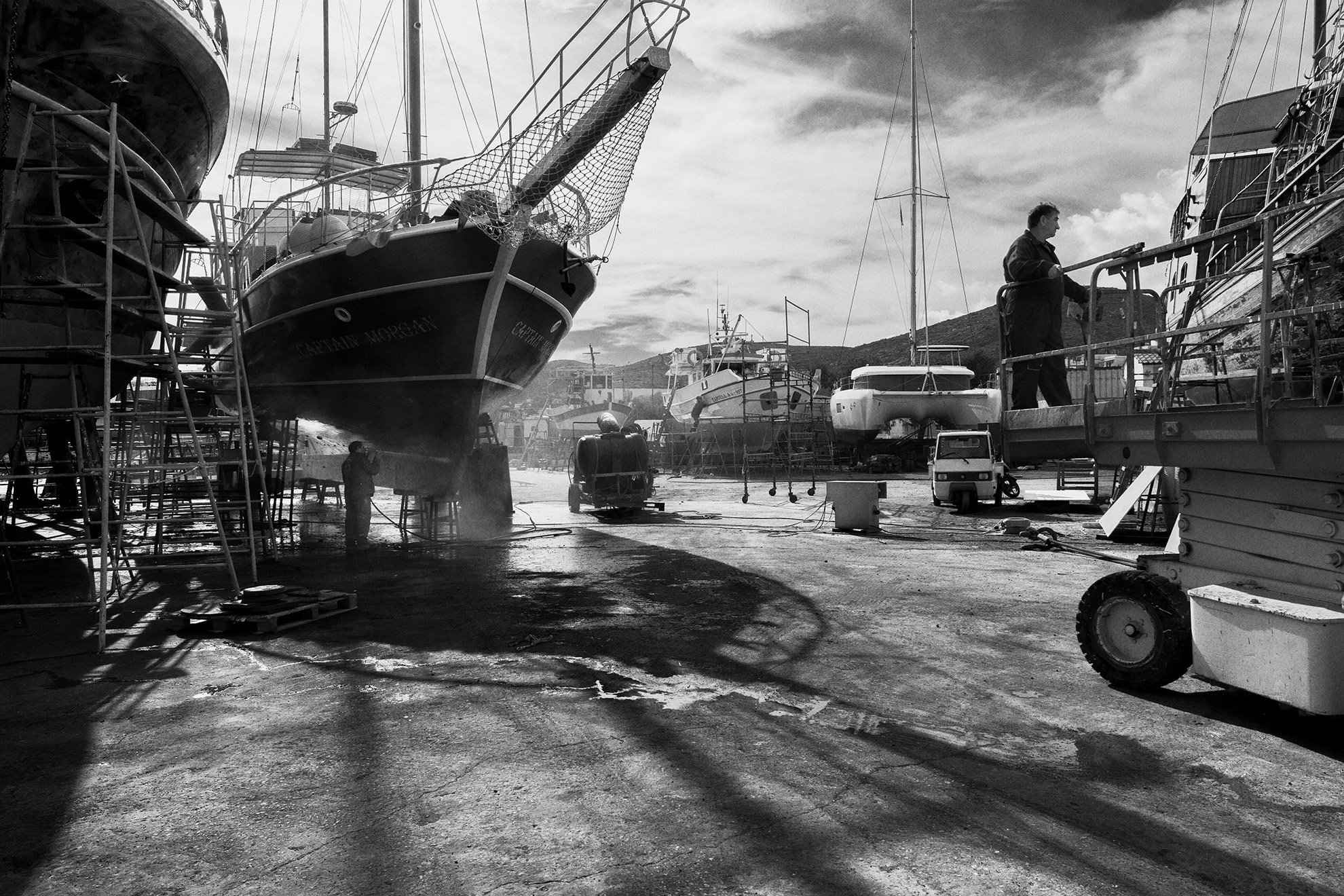
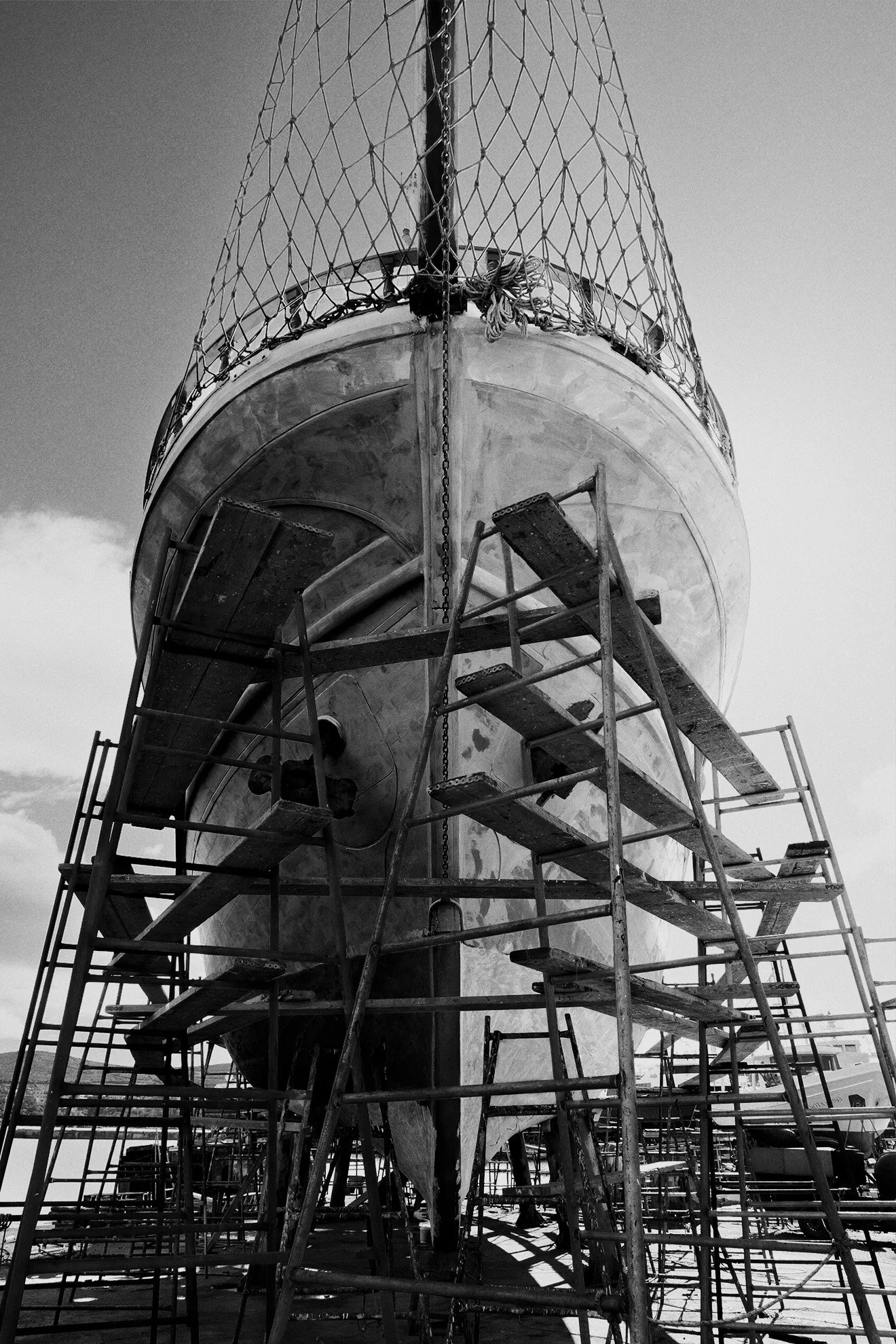
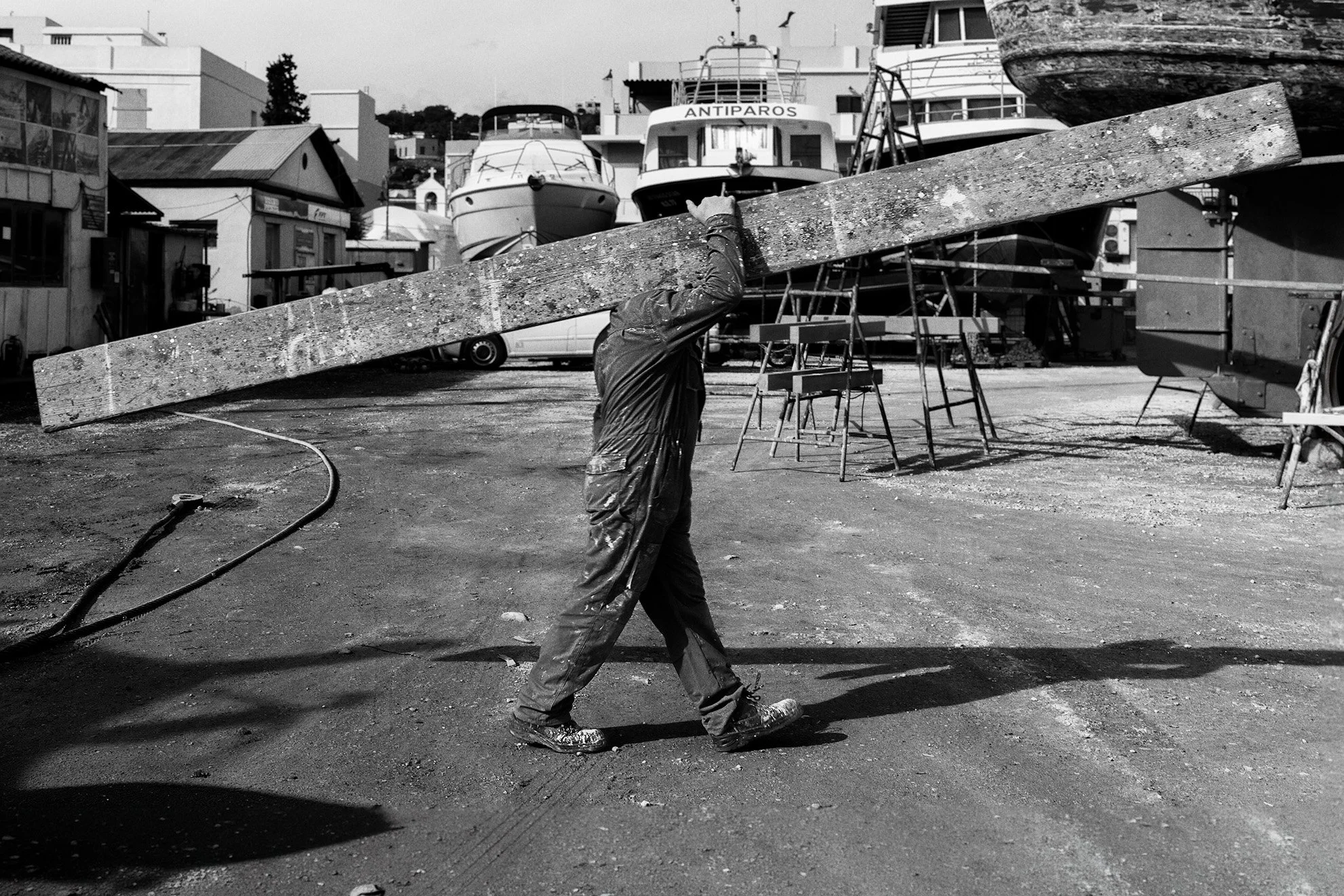
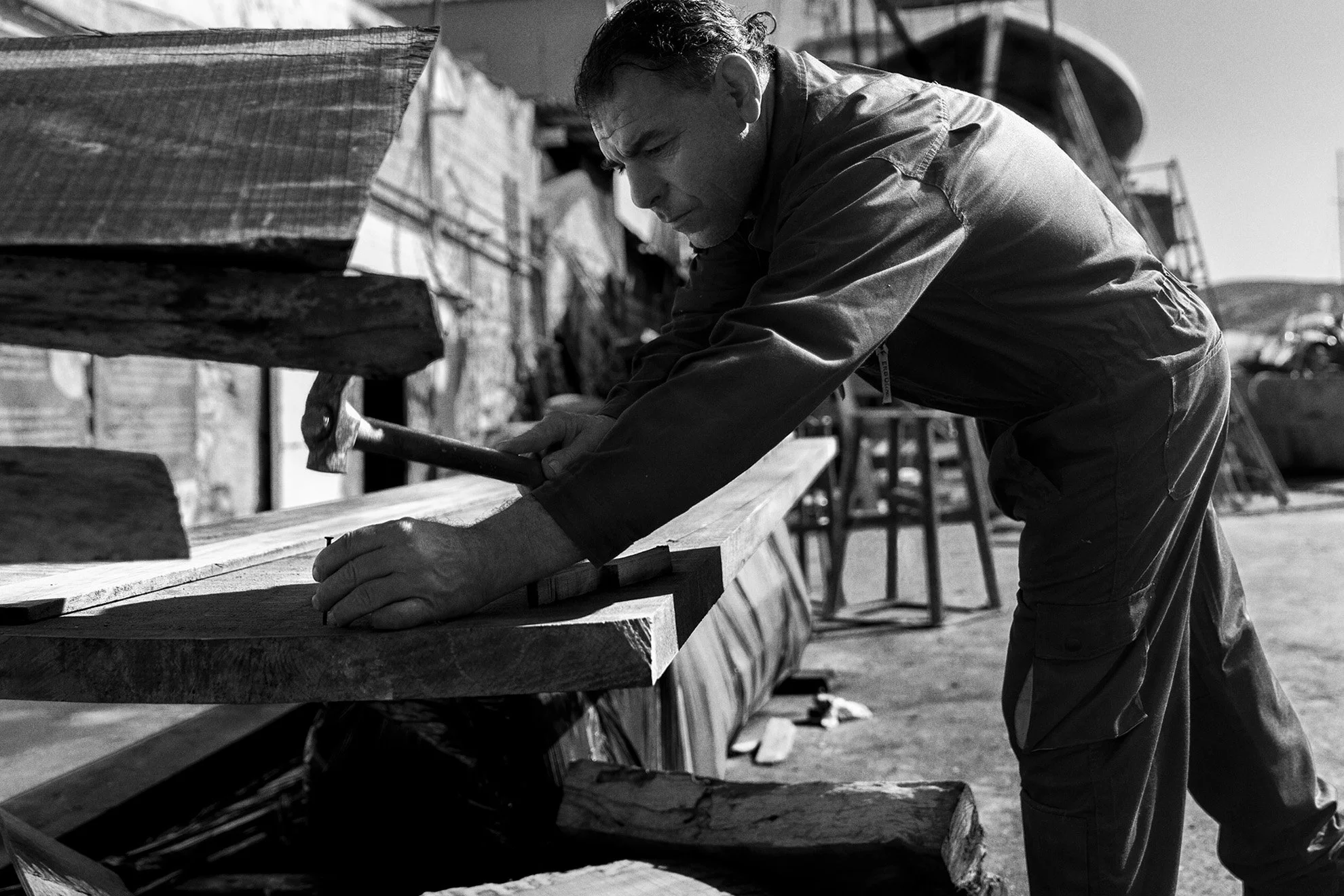
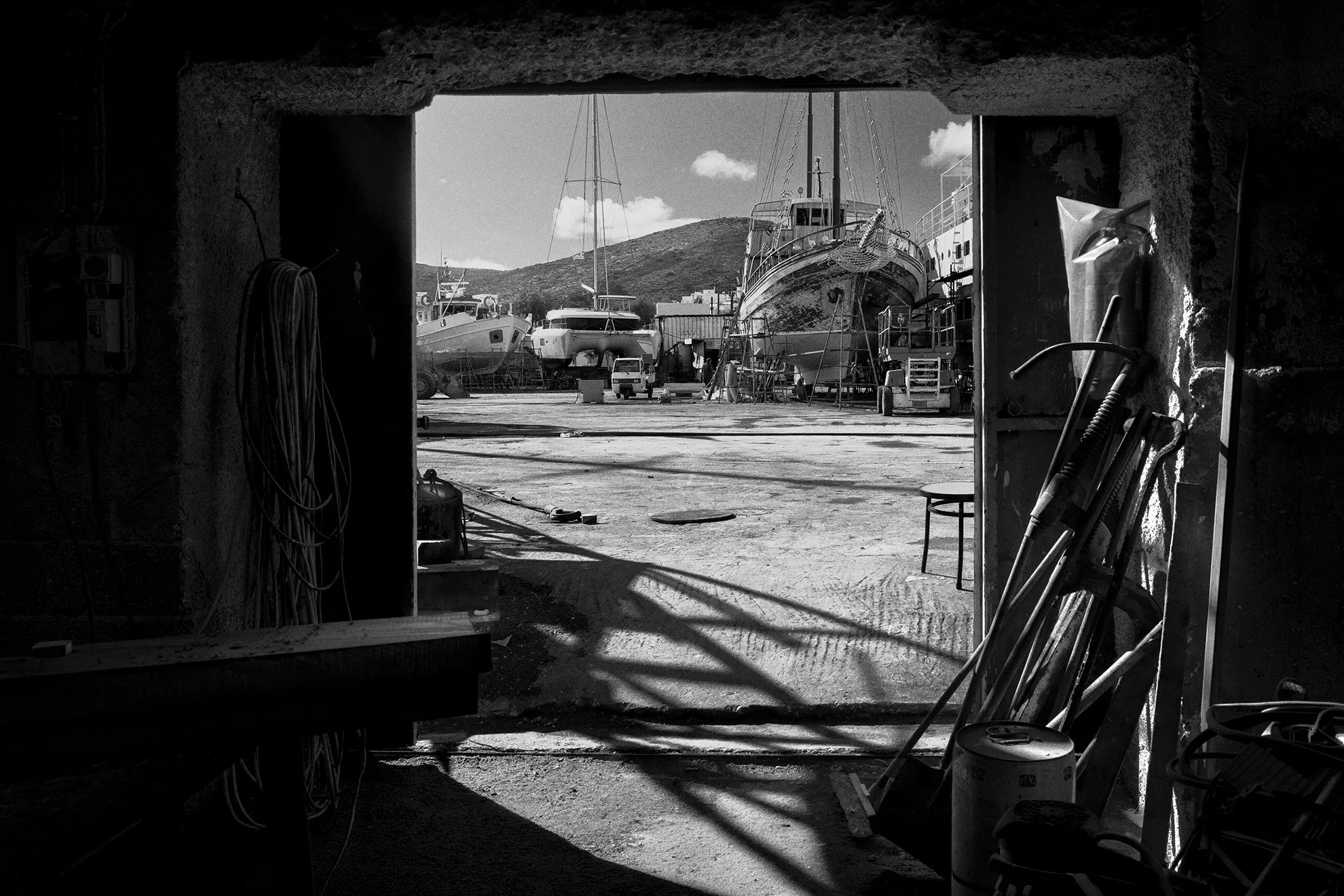
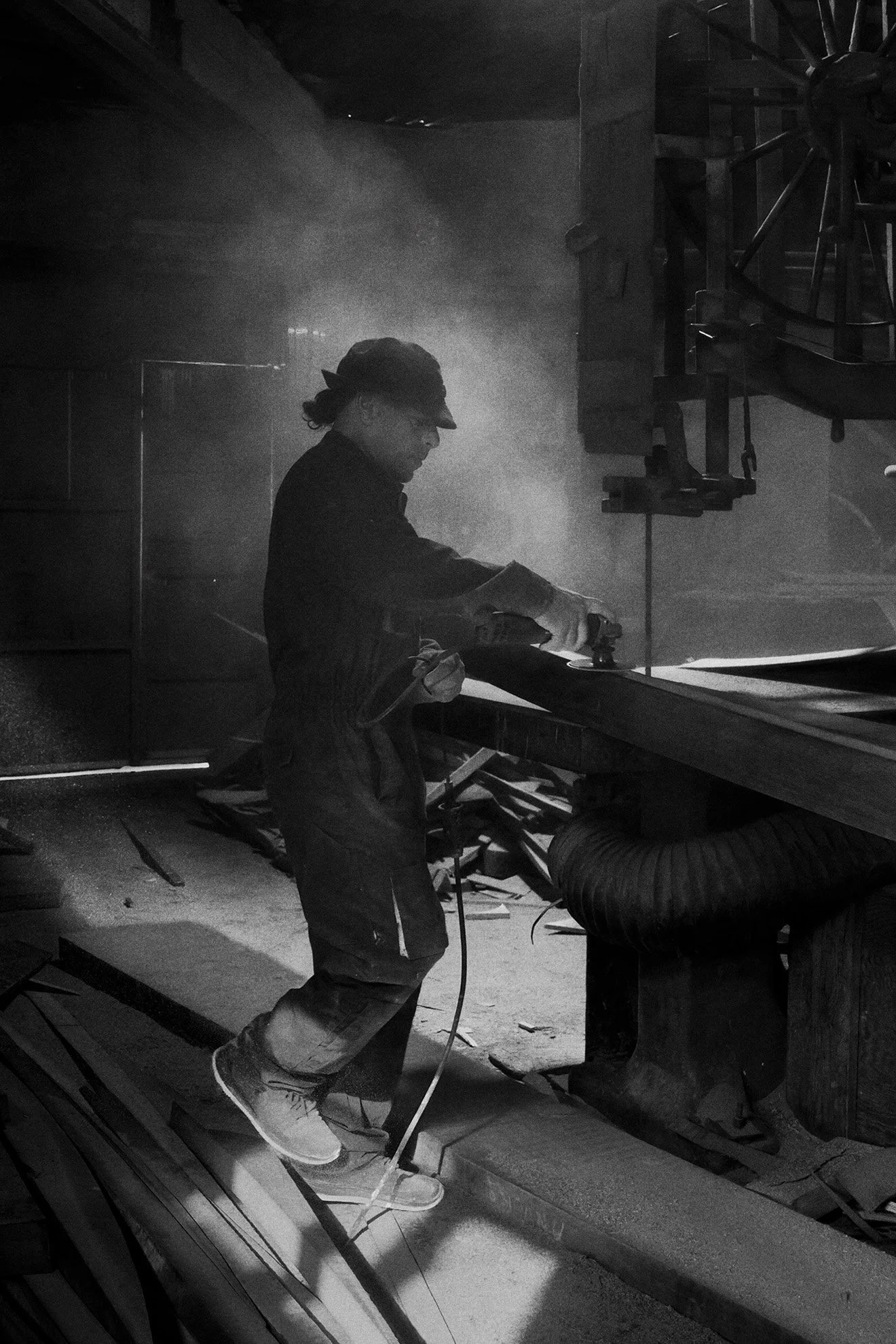
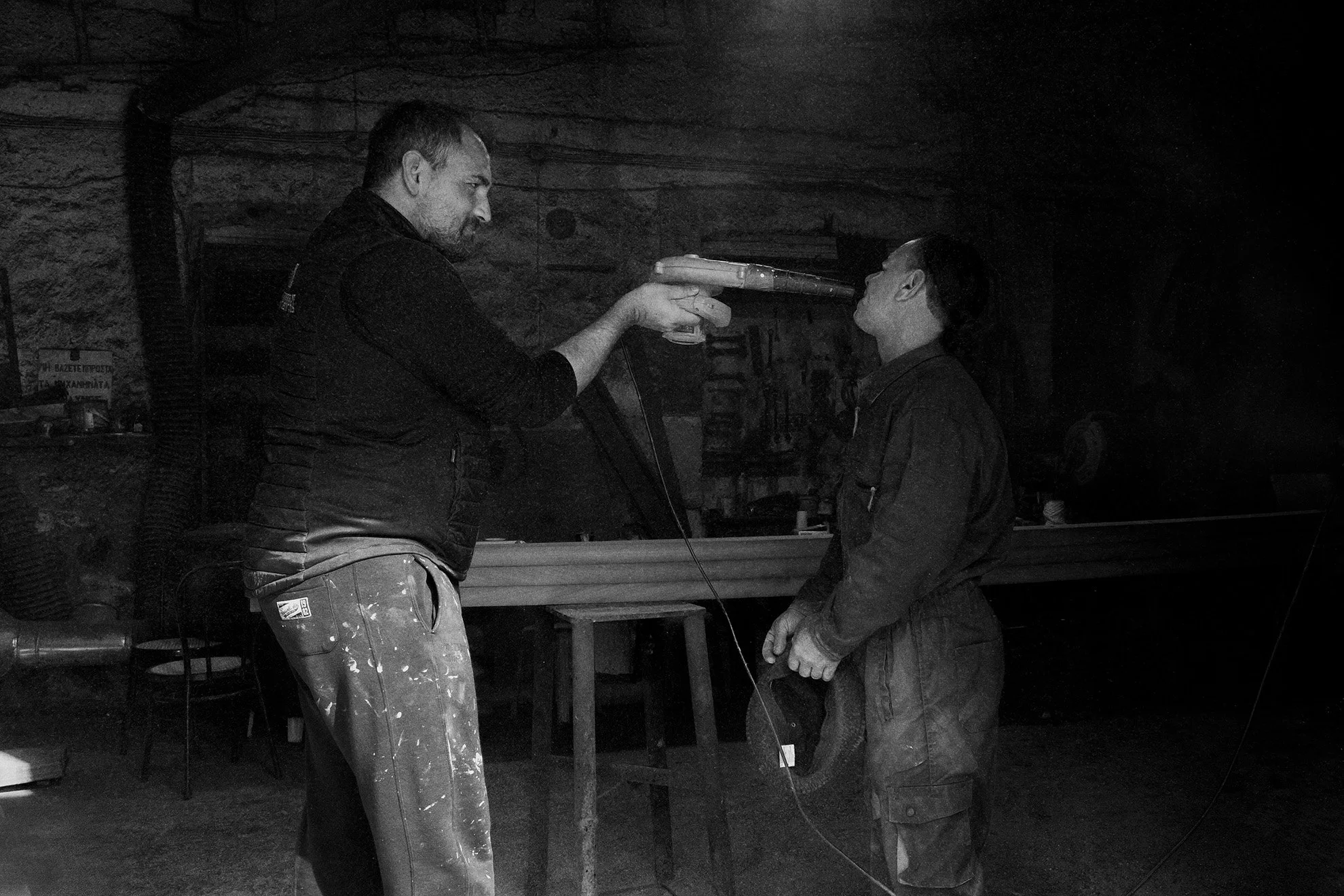
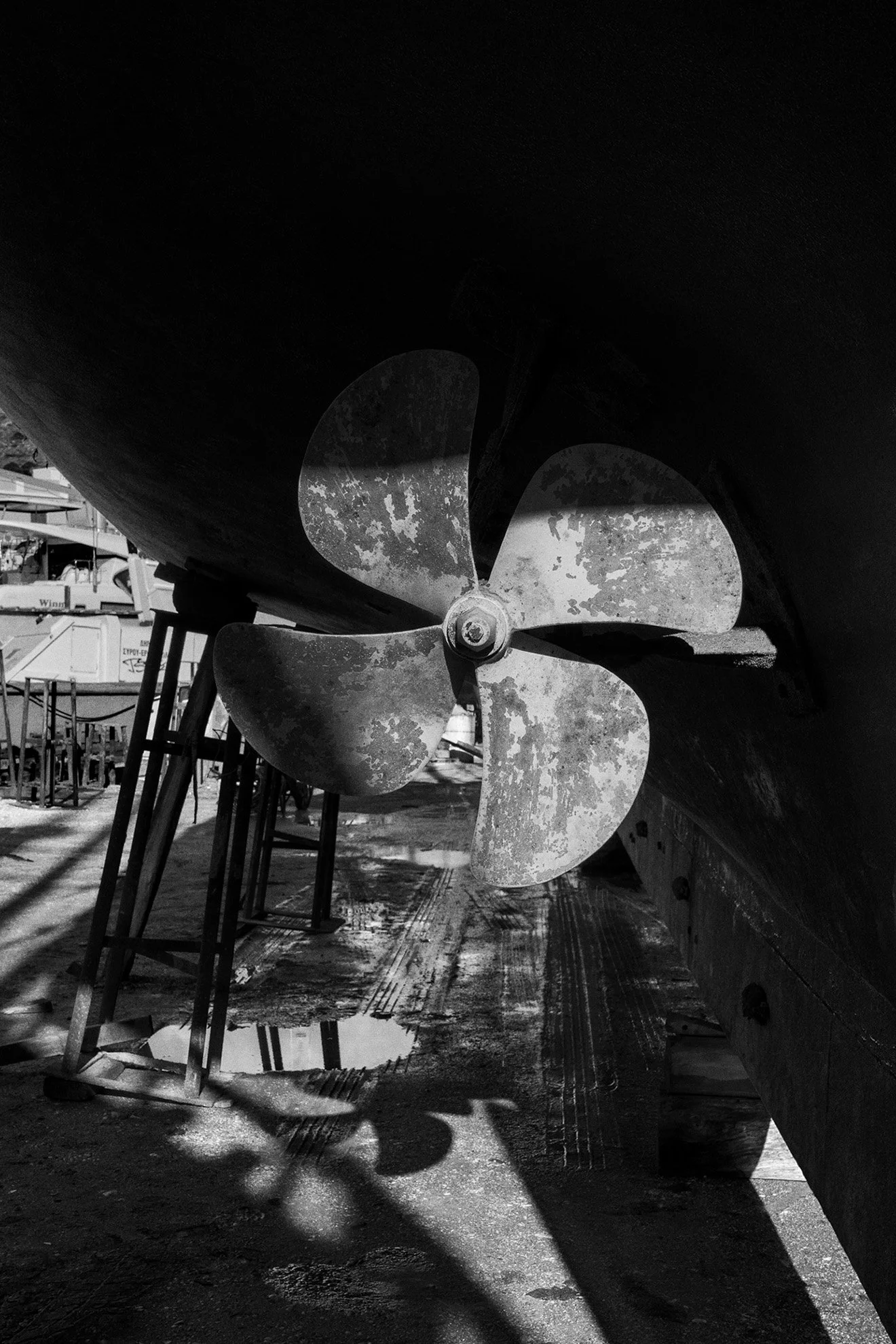
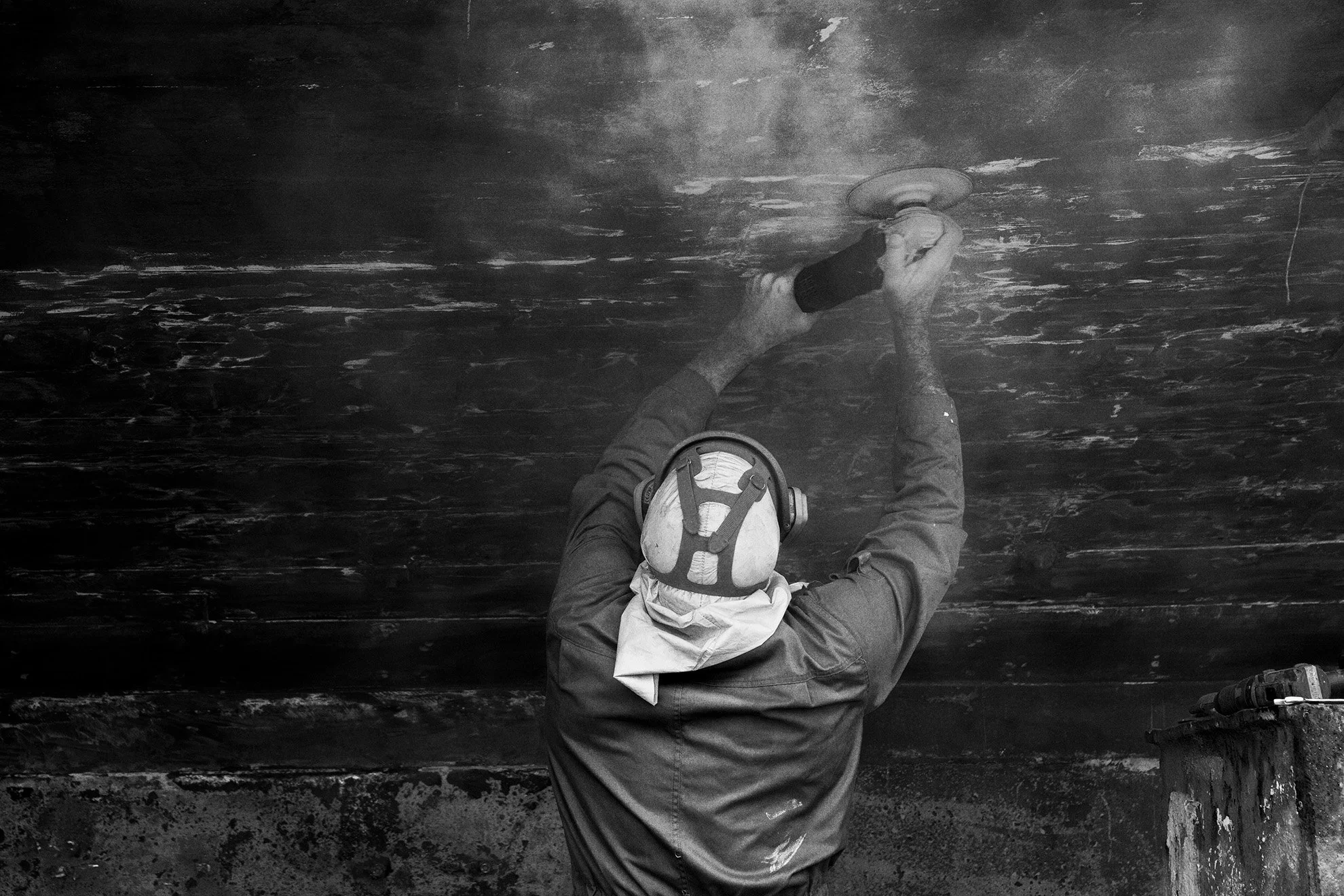
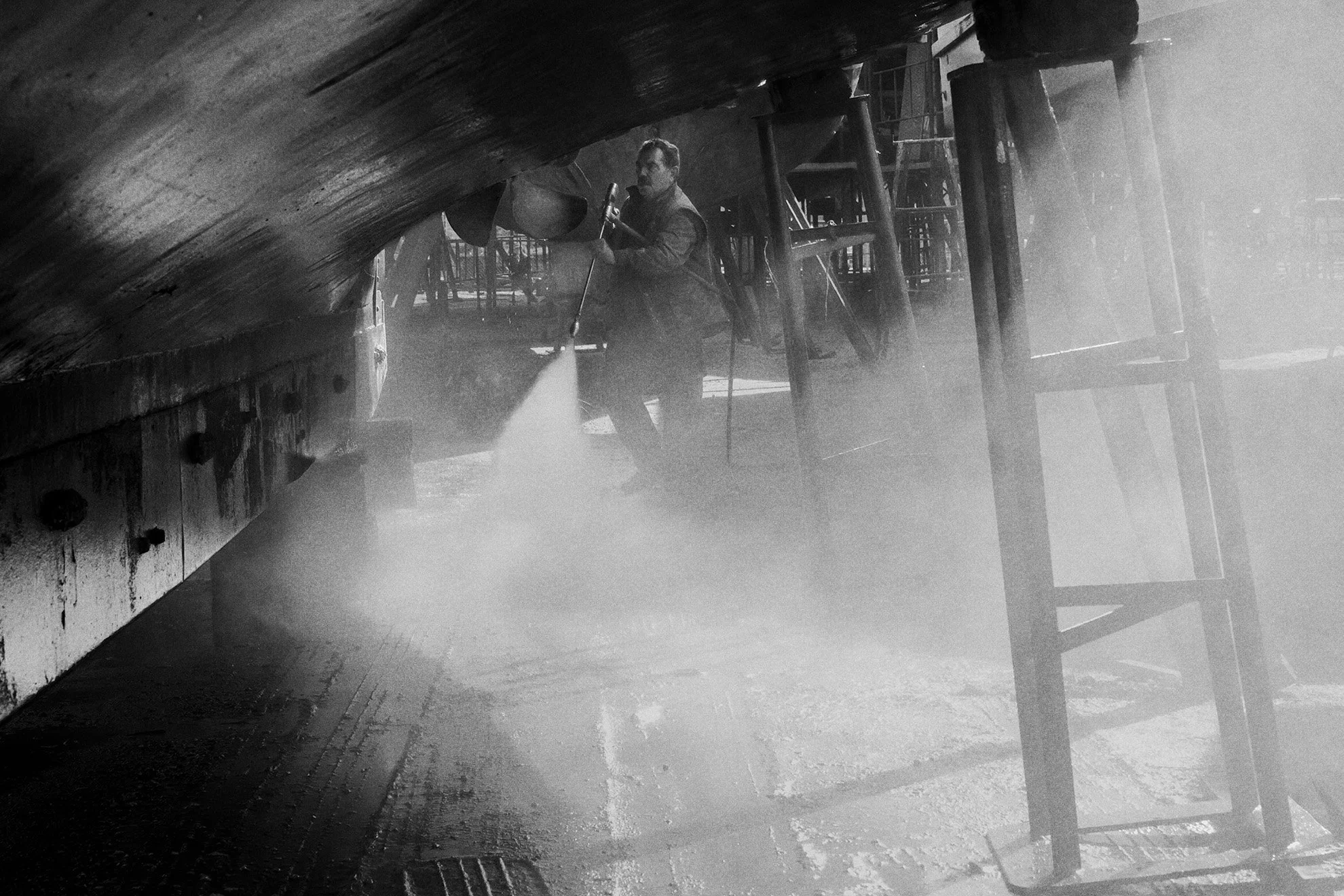
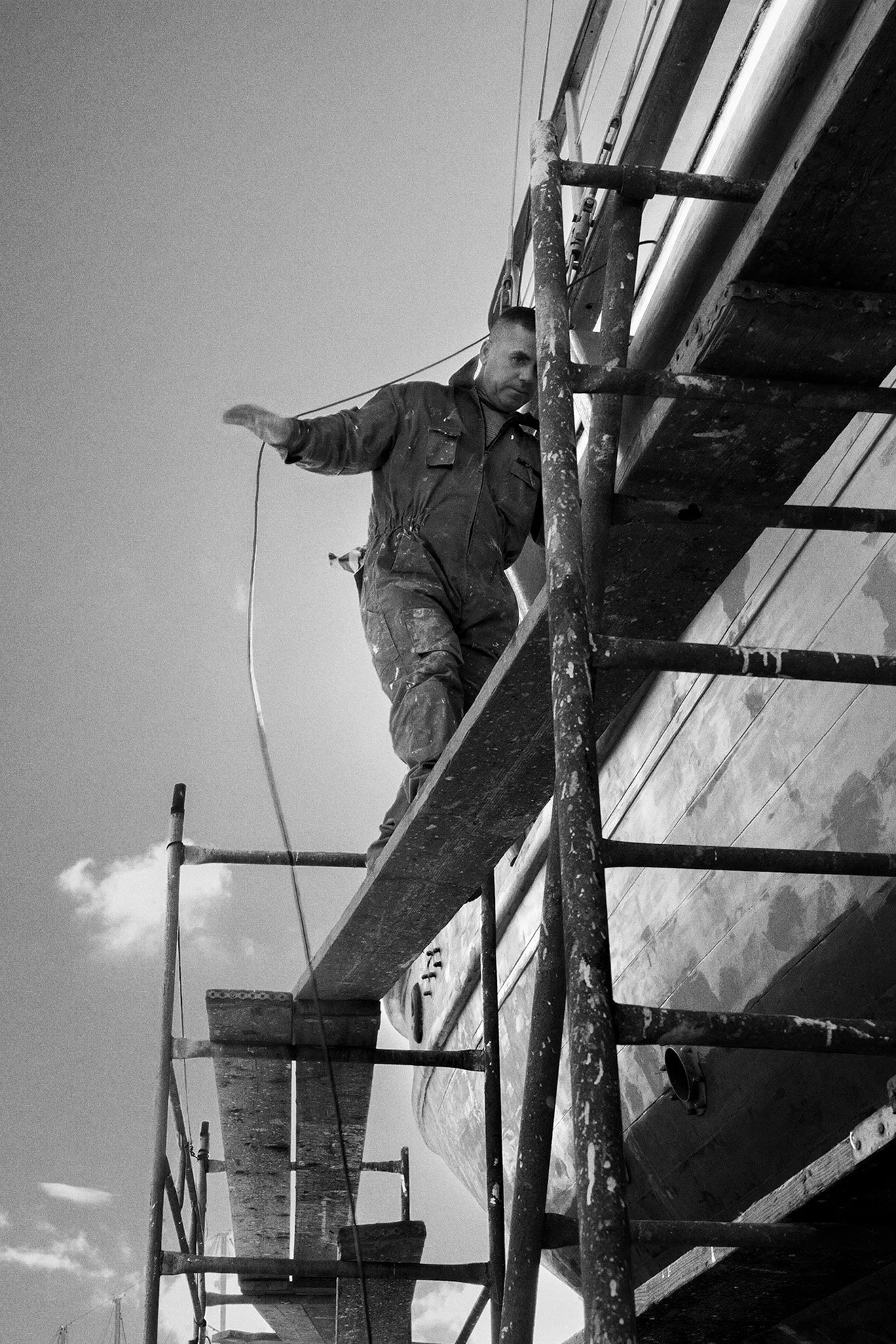
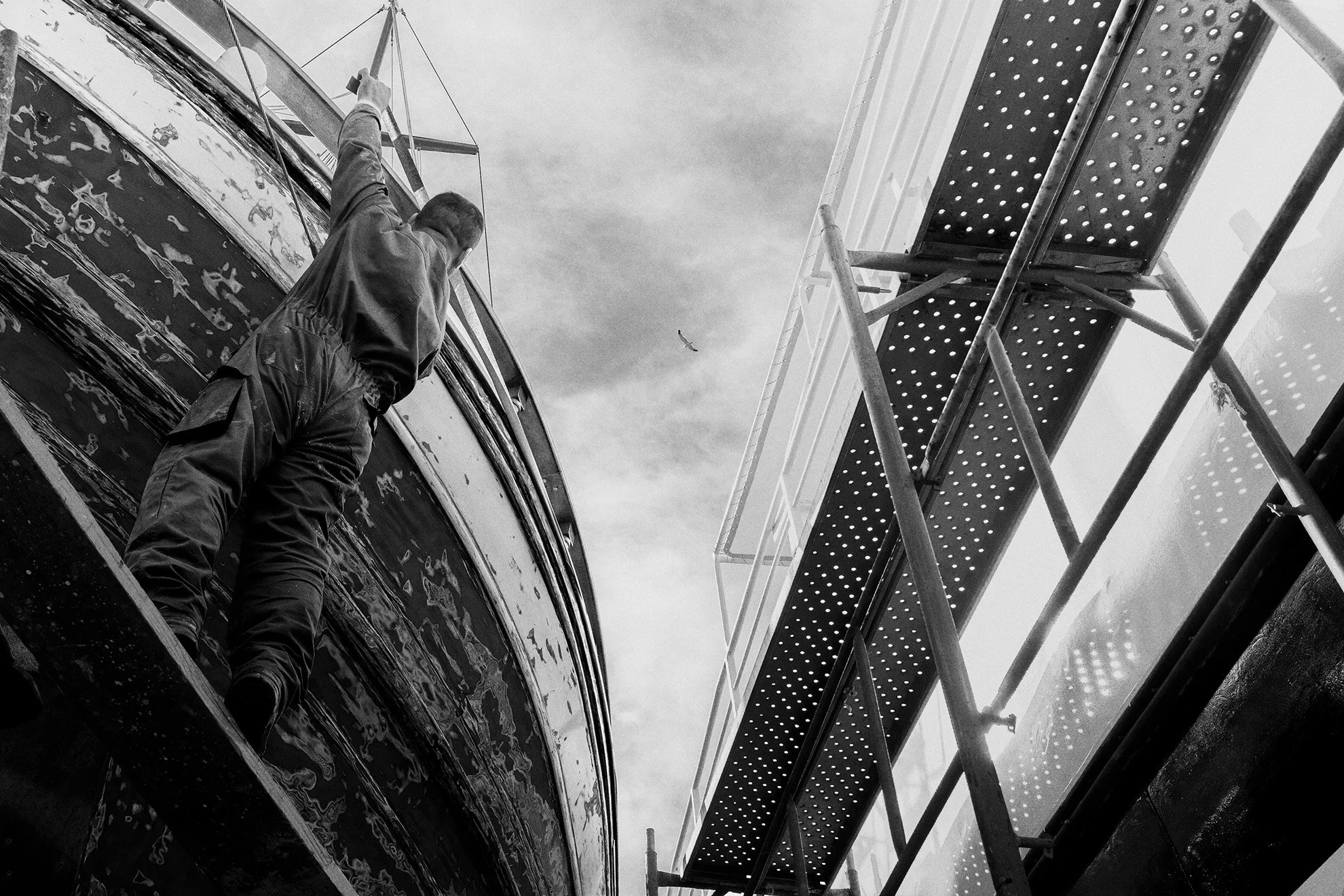
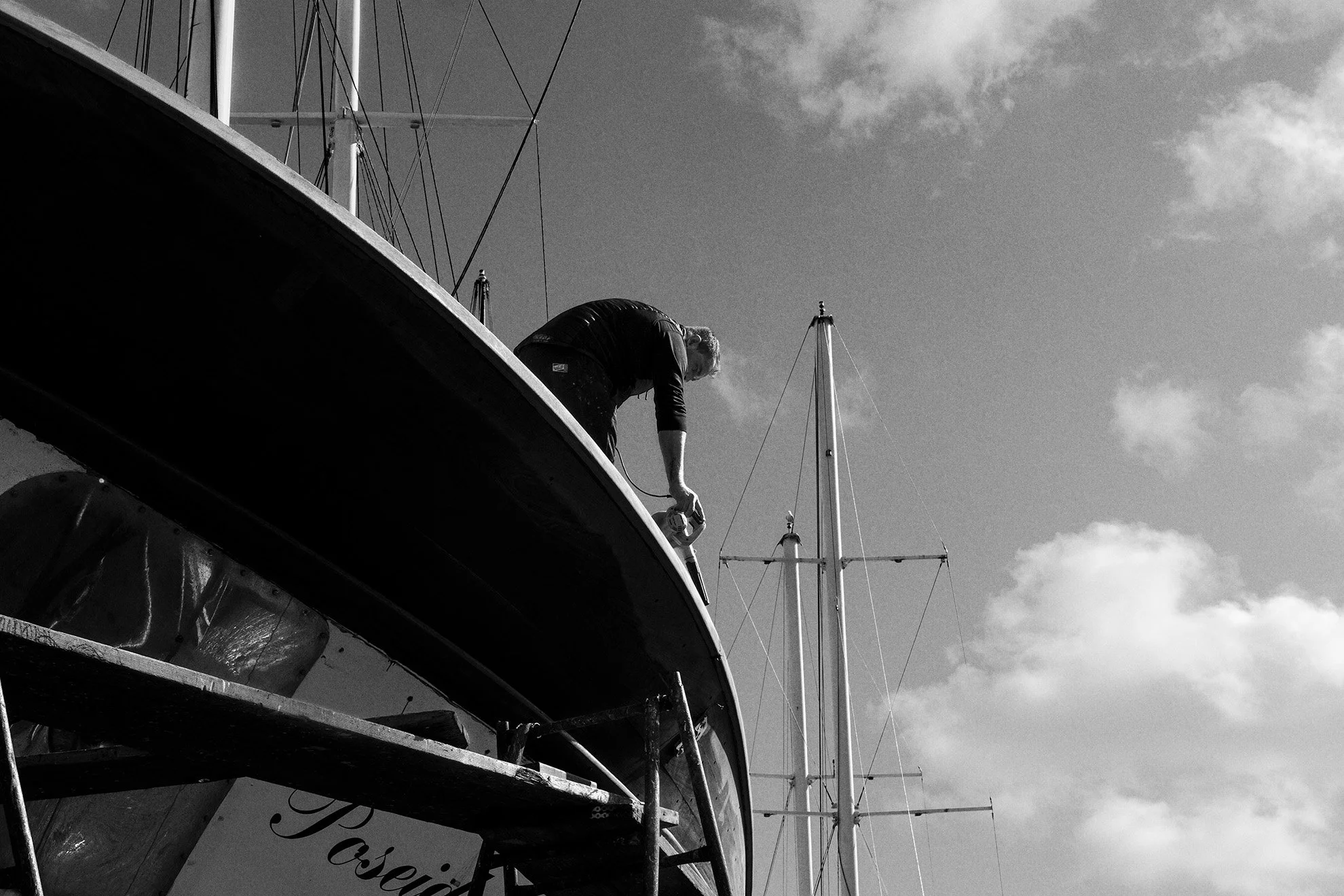
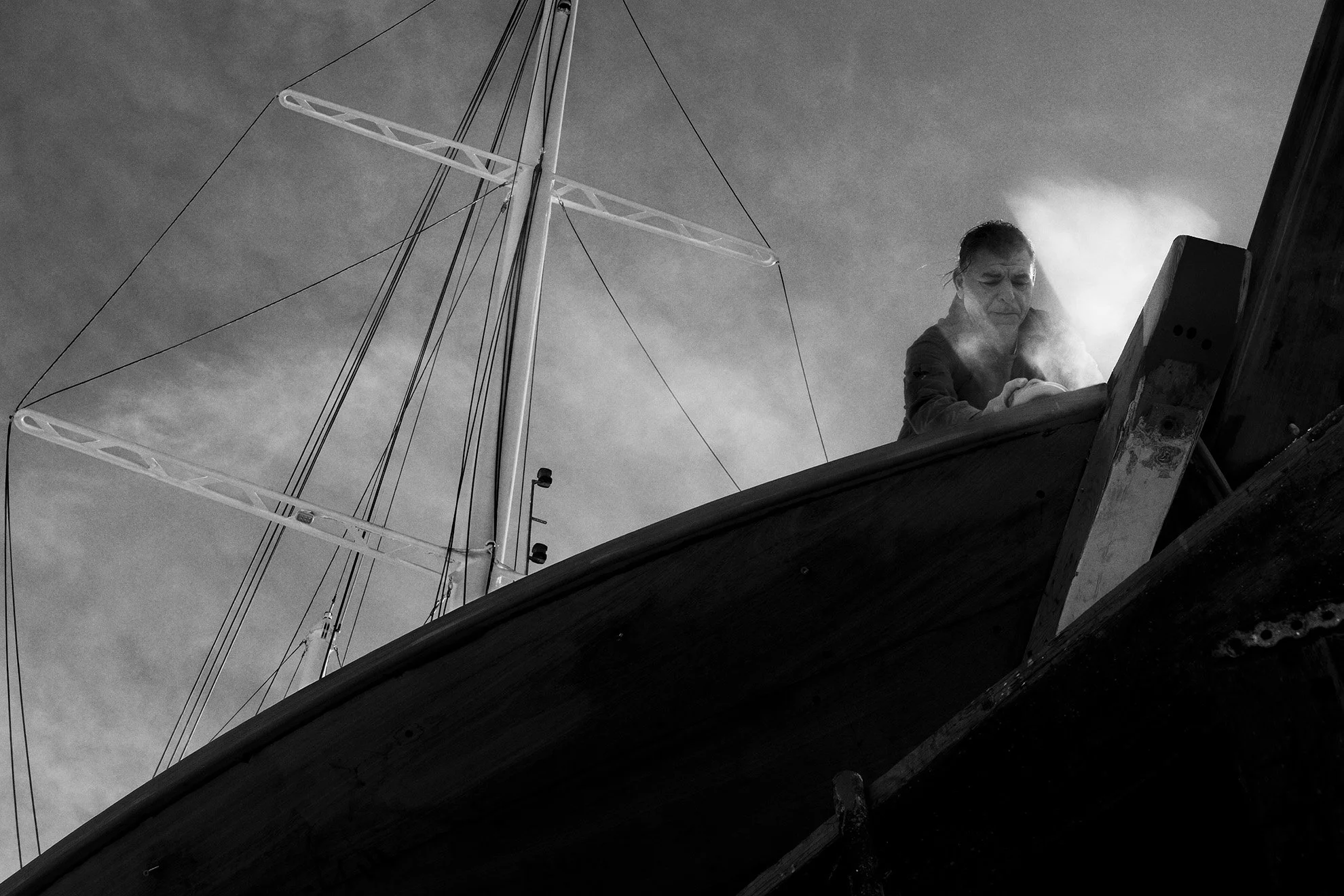
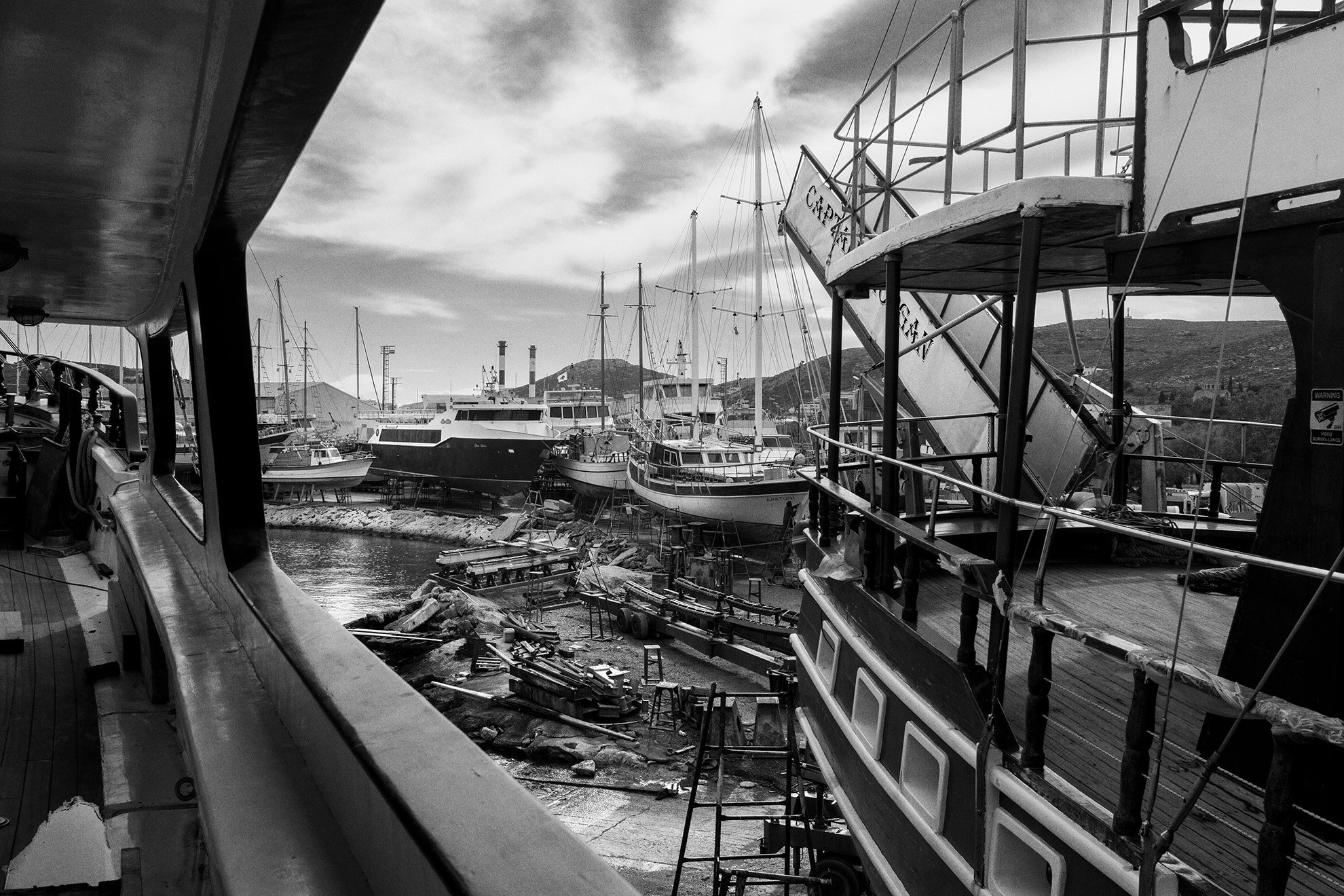
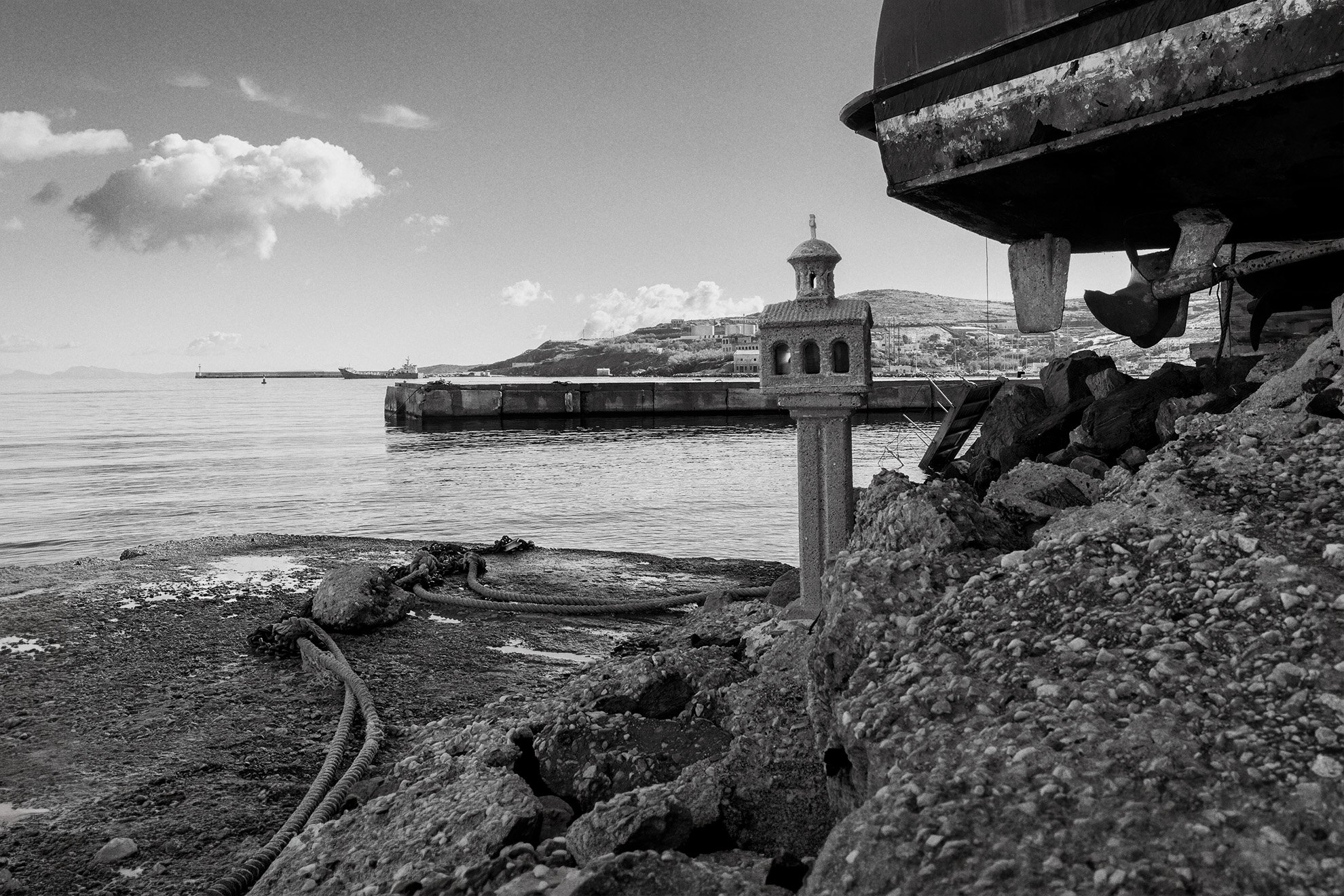
Tarsanas is a shipyard on the island of Syros in the Cyclades. It is the oldest shipyard still active in Greece, and one of the island's oldest businesses, having remained on the same site since 1860. The shipyard, now run by the fourth generation of the Mavrikou-Tzortzi family, was founded a generation after Ermoupoli itself, the island's town that emerged as the main port and capital of Greece during the 1820s Greek Revolution.
The shipyard is called Tarsanas, meaning a small shipyard in Turkish. It is also called karnágio, a word of Italian origin.
The boat-building methods used on Syros trace back to the great European shipyards of the late 18th and early 19th century. One key figure was Stamatis Koufoudakis, a shipbuilder born in Chios who trained at an Ottoman shipyard staffed by European engineers before returning the knowledge to his native Psara.
From there and from Chios, other shipbuilders carried this expertise to Syros starting in the early 1820s, sparking further specialization on the island.
This was part of a larger migration during the Greek War of Independence (1821–1829), as thousands of refugees from Chios, Psara, Kasos, and Kydonies fled to Syros. They founded the city of Ermoupoli, which was officially named in 1826 after Hermes, the ancient Greek god of commerce and intellect.
In 1860, a member of the Mavrikos family who followed this migration founded Tarsanas alongside other shipyards that would go on to build thousands of ships. By then, Ermoupoli had become Greece's leading commercial port, and the rare skills of its shipbuilders and craftsmen helped make it one of the country's most important cities.
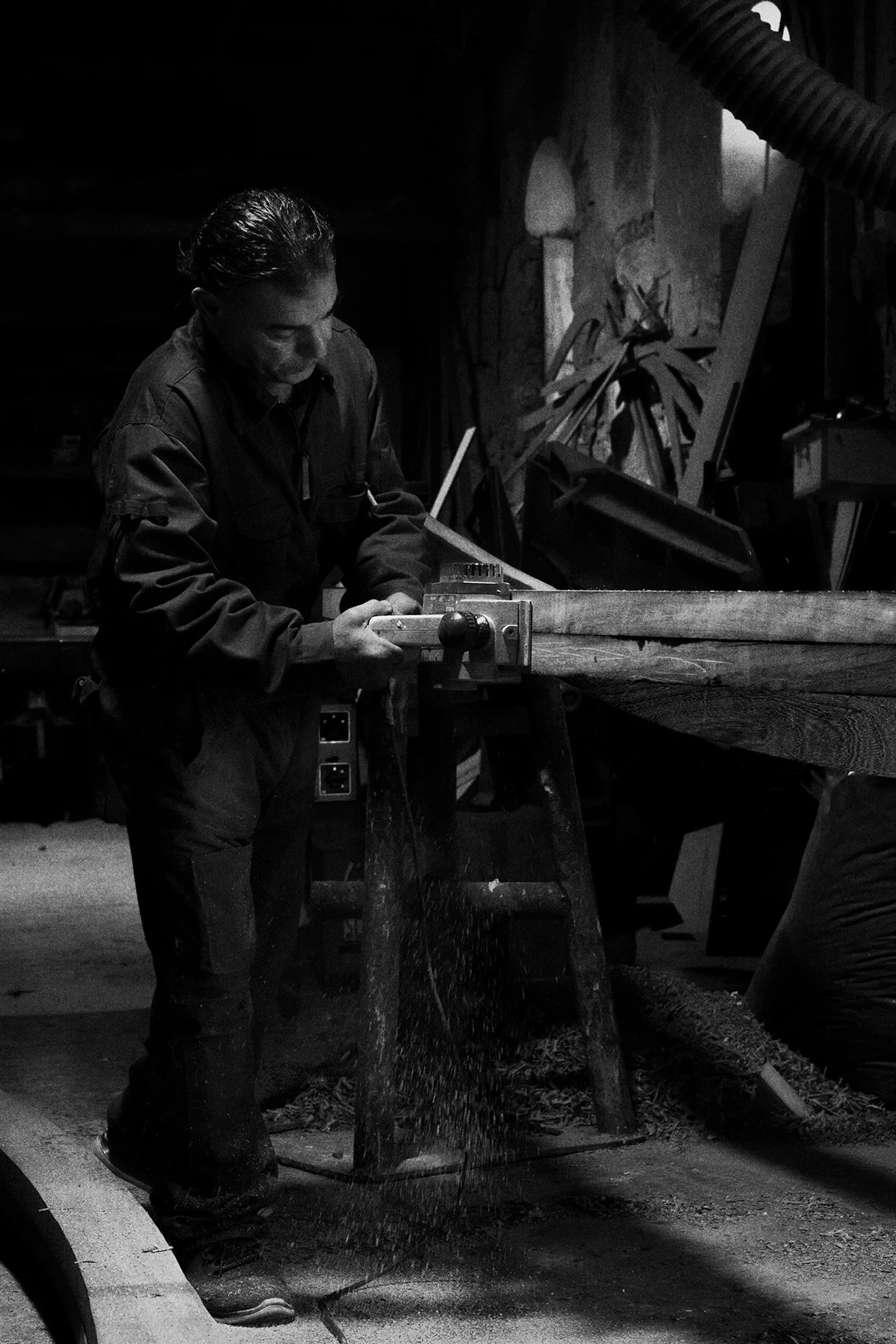
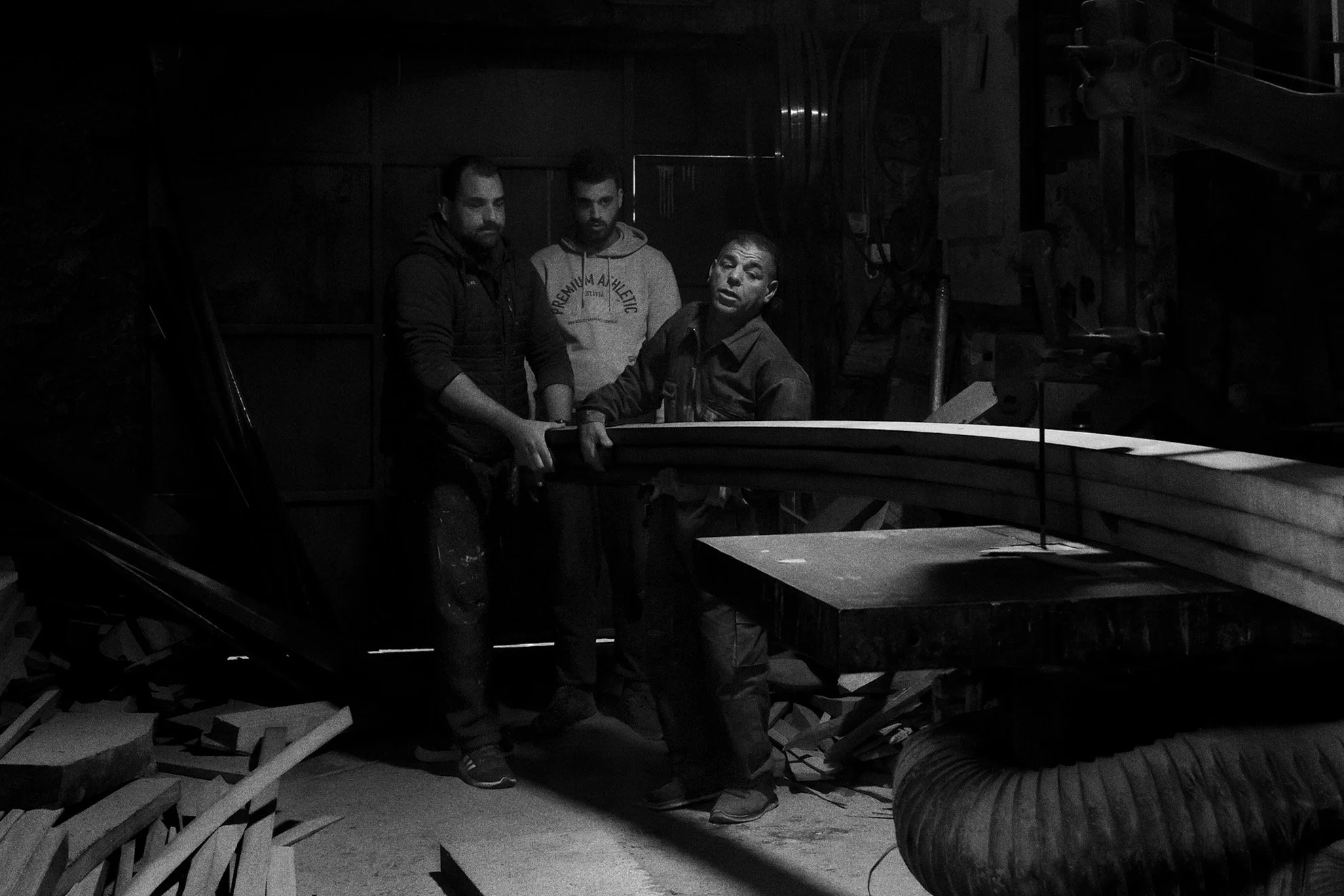
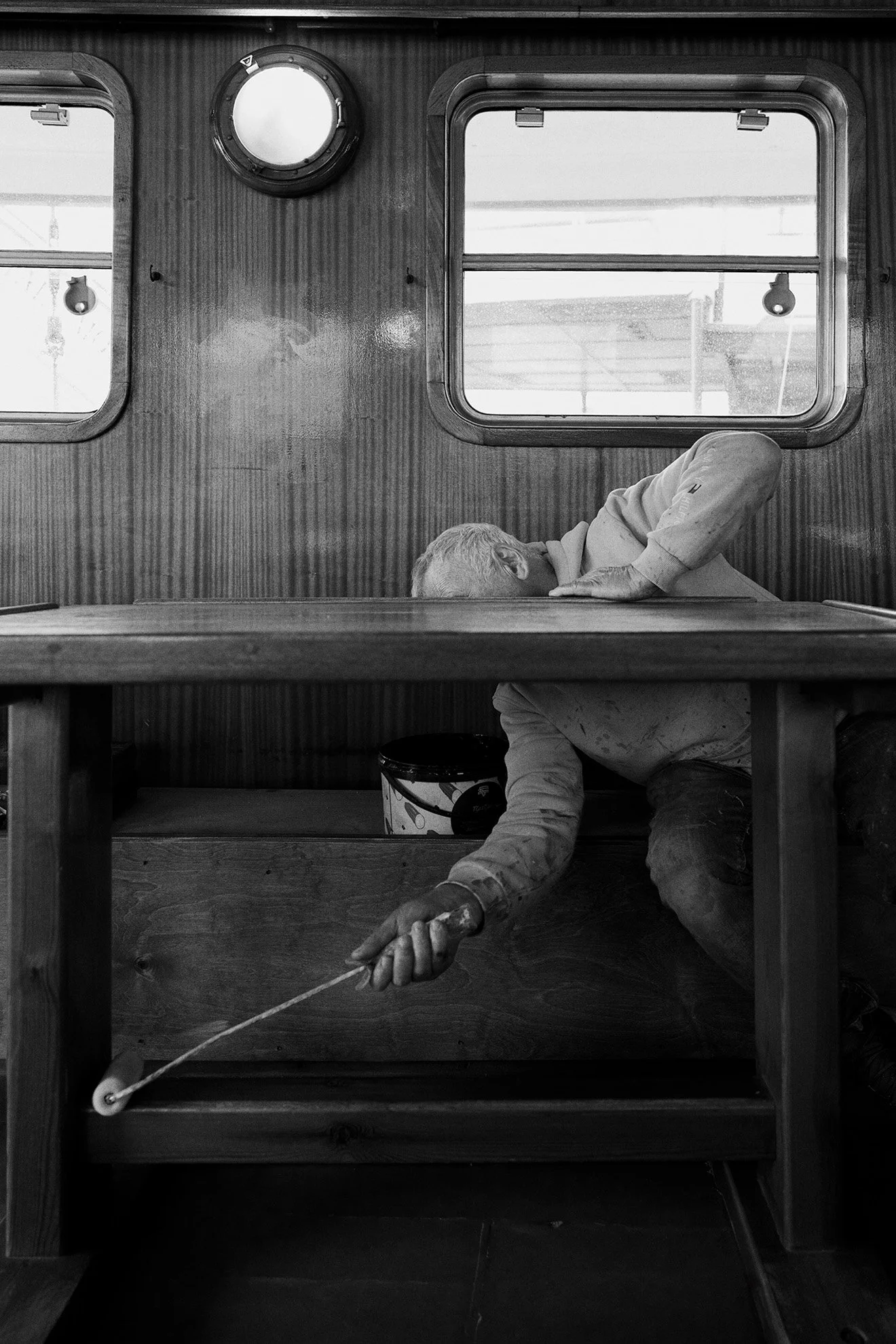
Until the 1980s, the yard built boats and trained hundreds of craftsmen and shipbuilders across several generations. As the shipping and boat industry evolved, Tarsanas transitioned toward maintenance and repair. While it still builds a few boats today, repair work now takes up most of the yard's time.
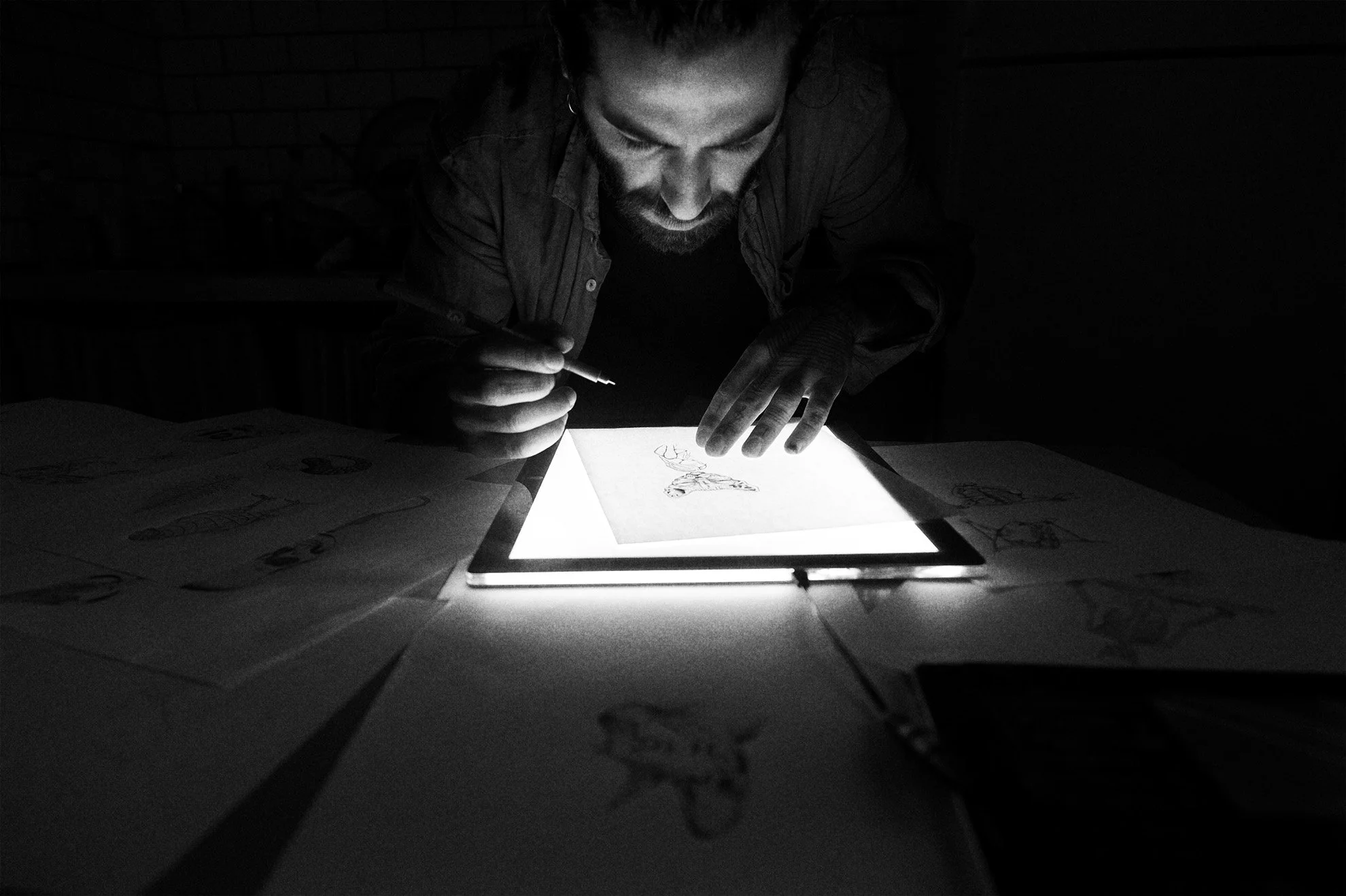
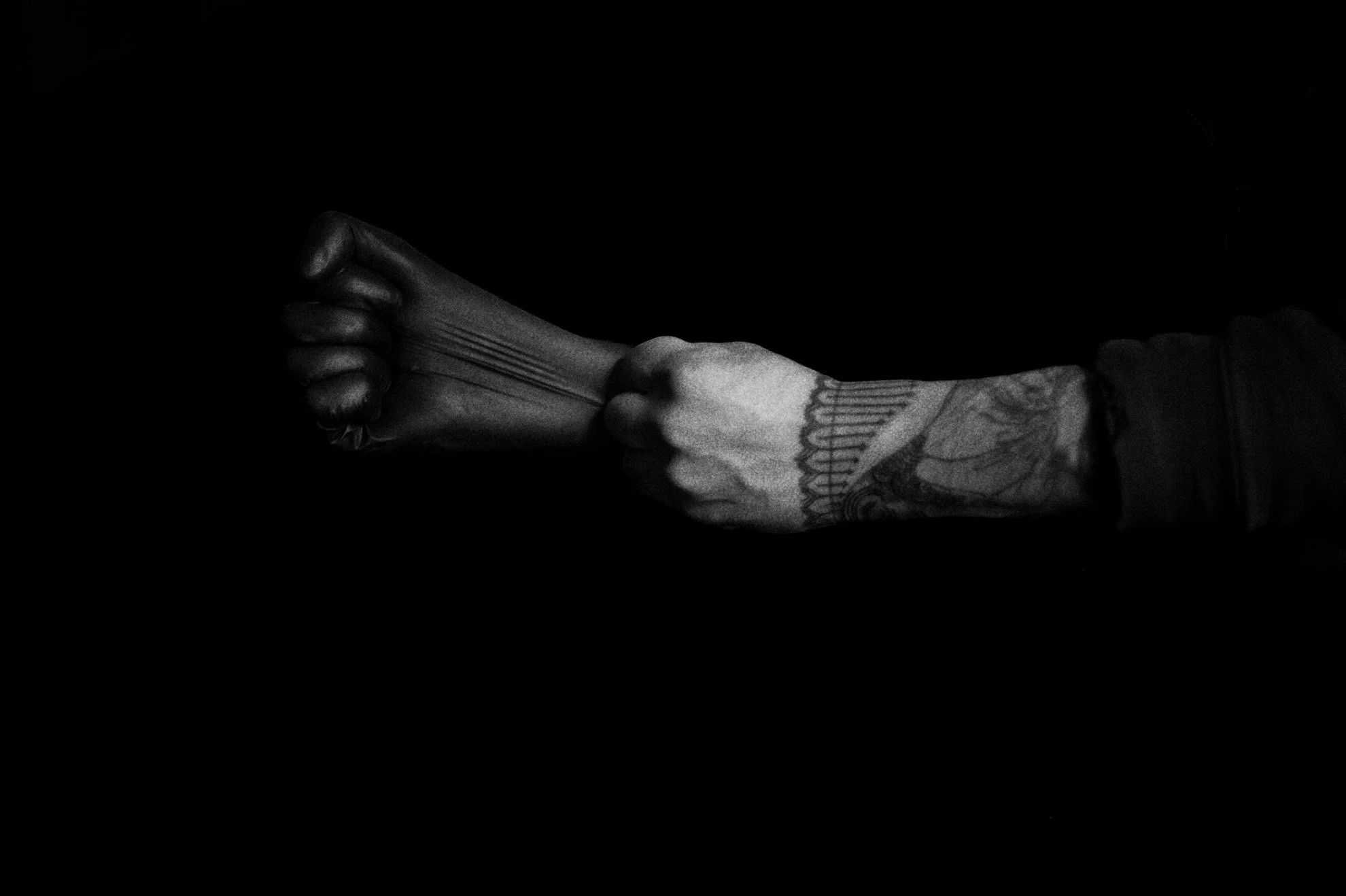
INK is a black and white photographic series that explores the intimate and creative process behind the birth of a tattoo. Through a subtle play of light and shadow, this series follows each step of creation, from the design conception to its final inscription on the skin.
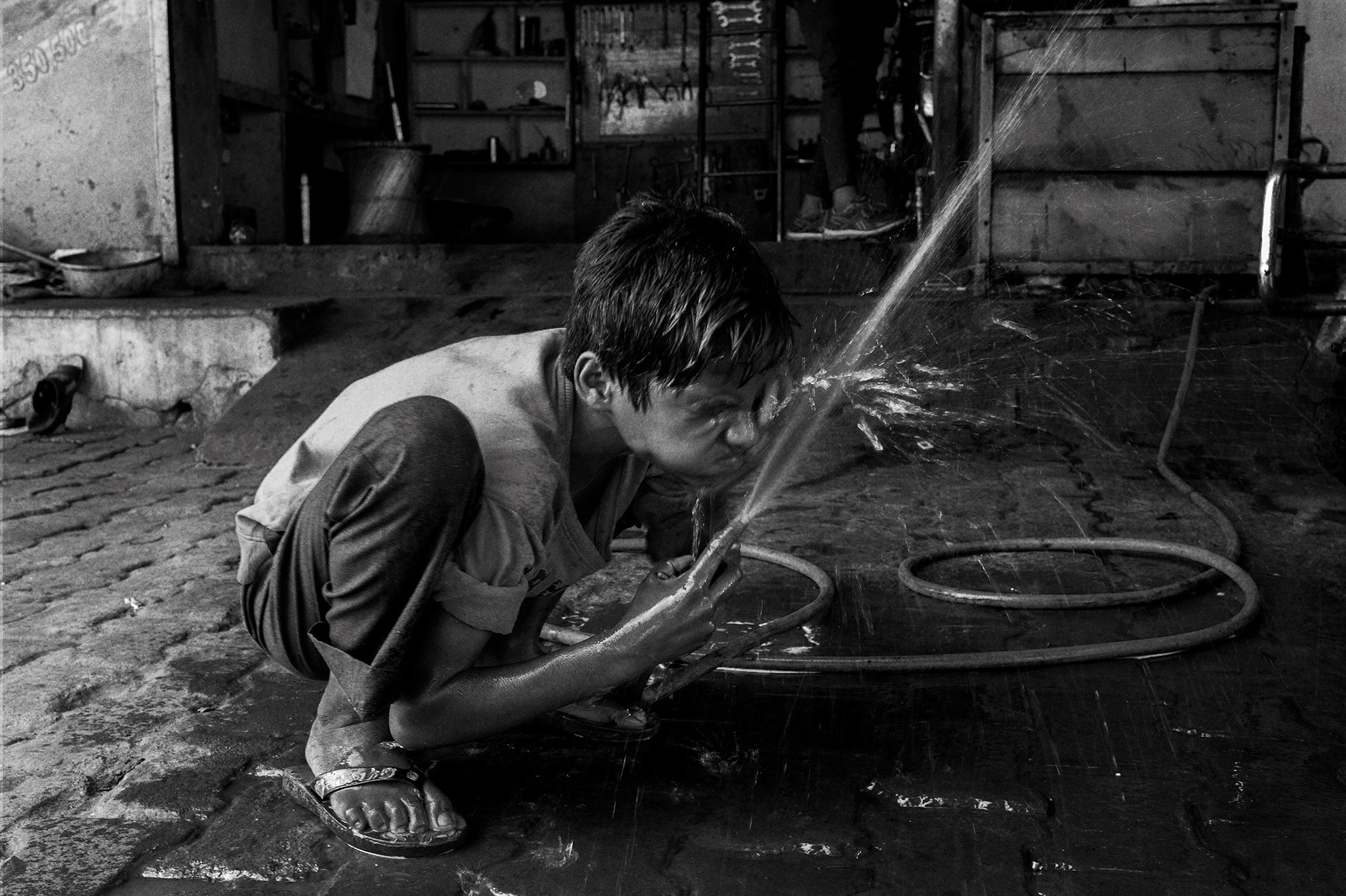
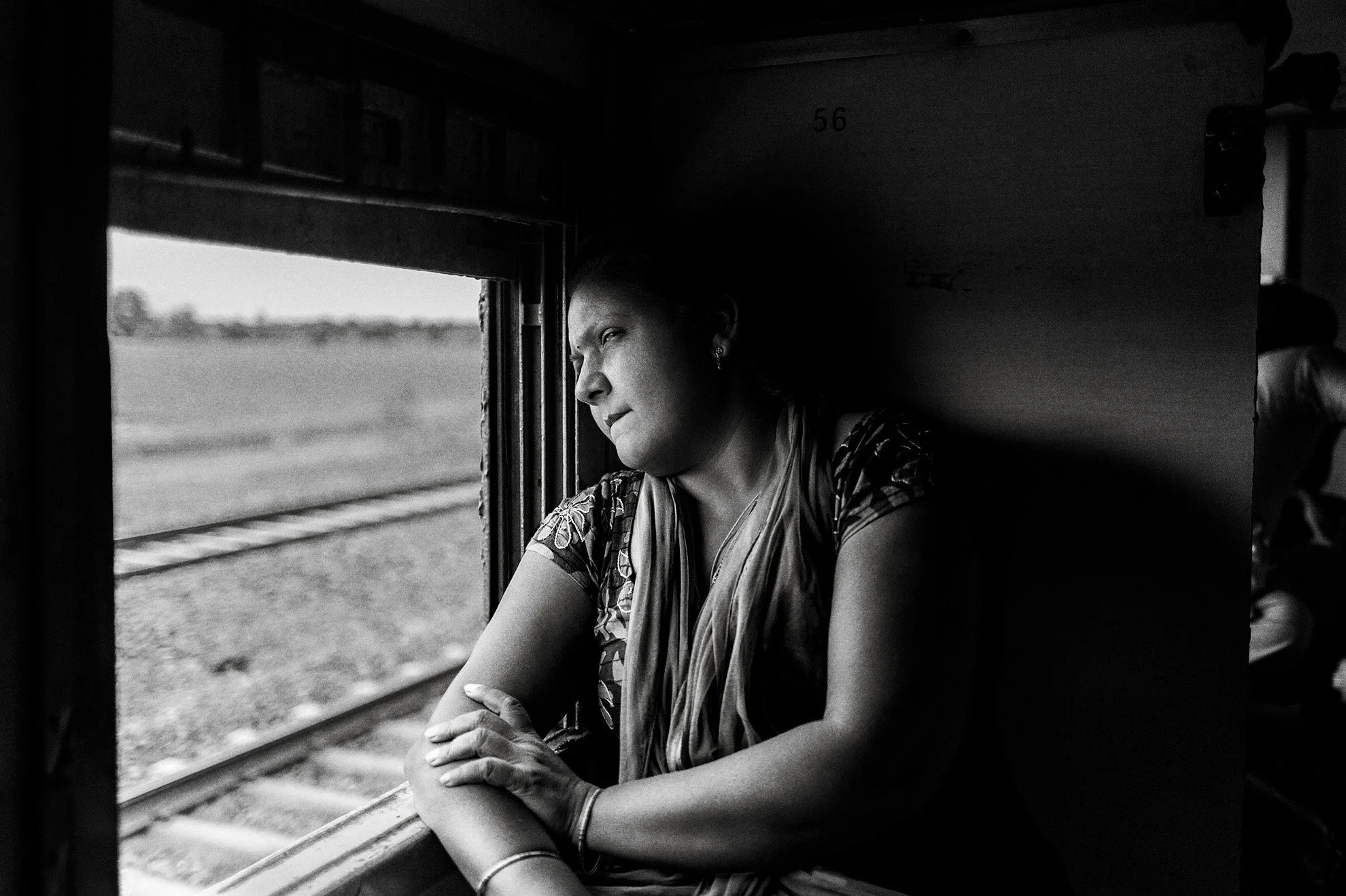
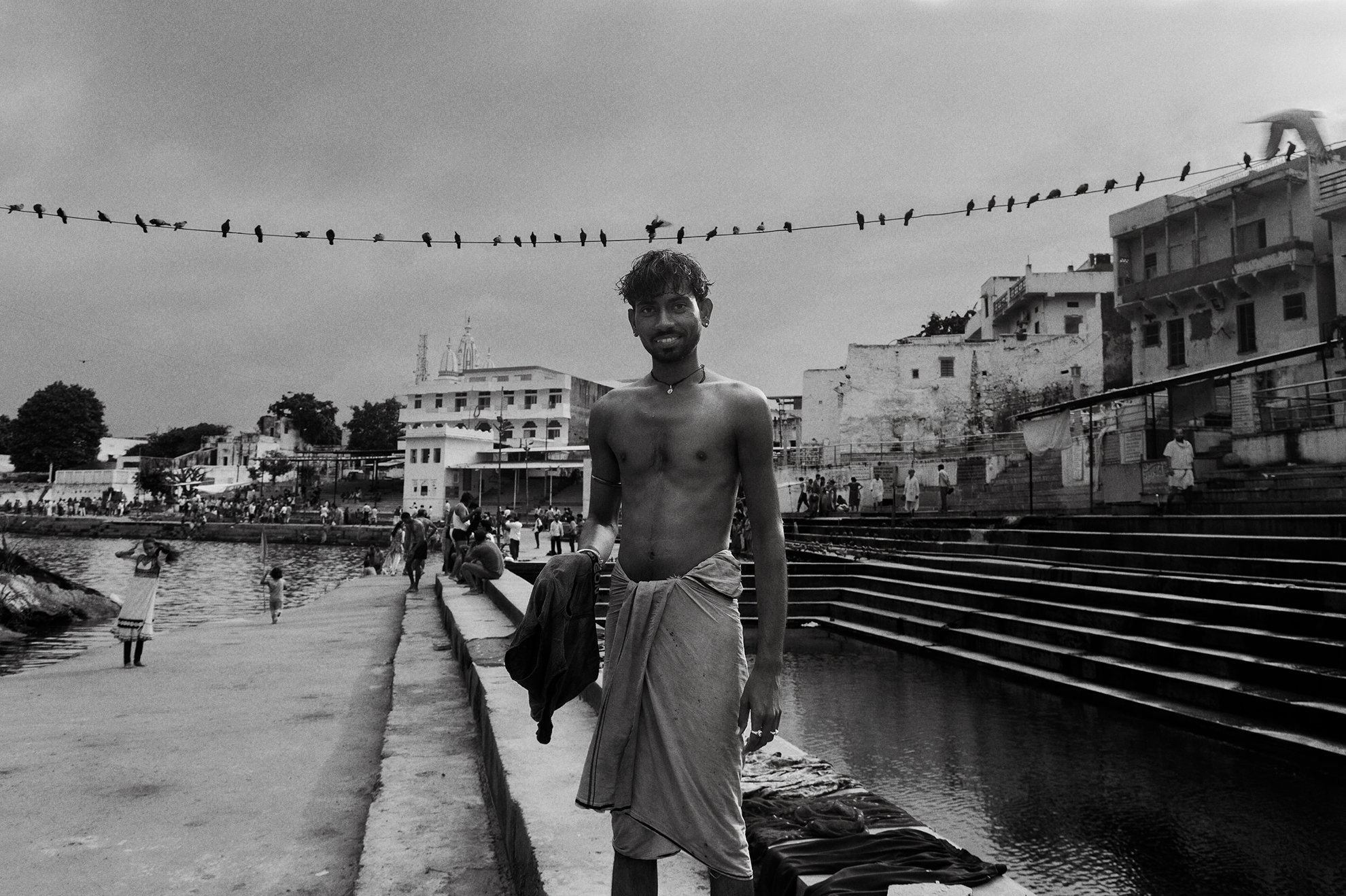
This black and white photographic series explores the many facets of India, a land of striking contrasts and infinite cultural richness. Through a documentary and a personal approach, the images capture moments of daily life, vibrant street scenes, and emotionally charged portraits, revealing the soul of a country where millennia-old traditions and modernity coexist harmoniously.
The choice of black and white transcends the vibrant colors typically associated with India to offer a timeless and universal perspective. This treatment highlights textures, the interplay of light and shadow, and human expressions. The photographs reveal the power of simple gestures, the depth of gazes, and the subtle interaction between humans and their environment.
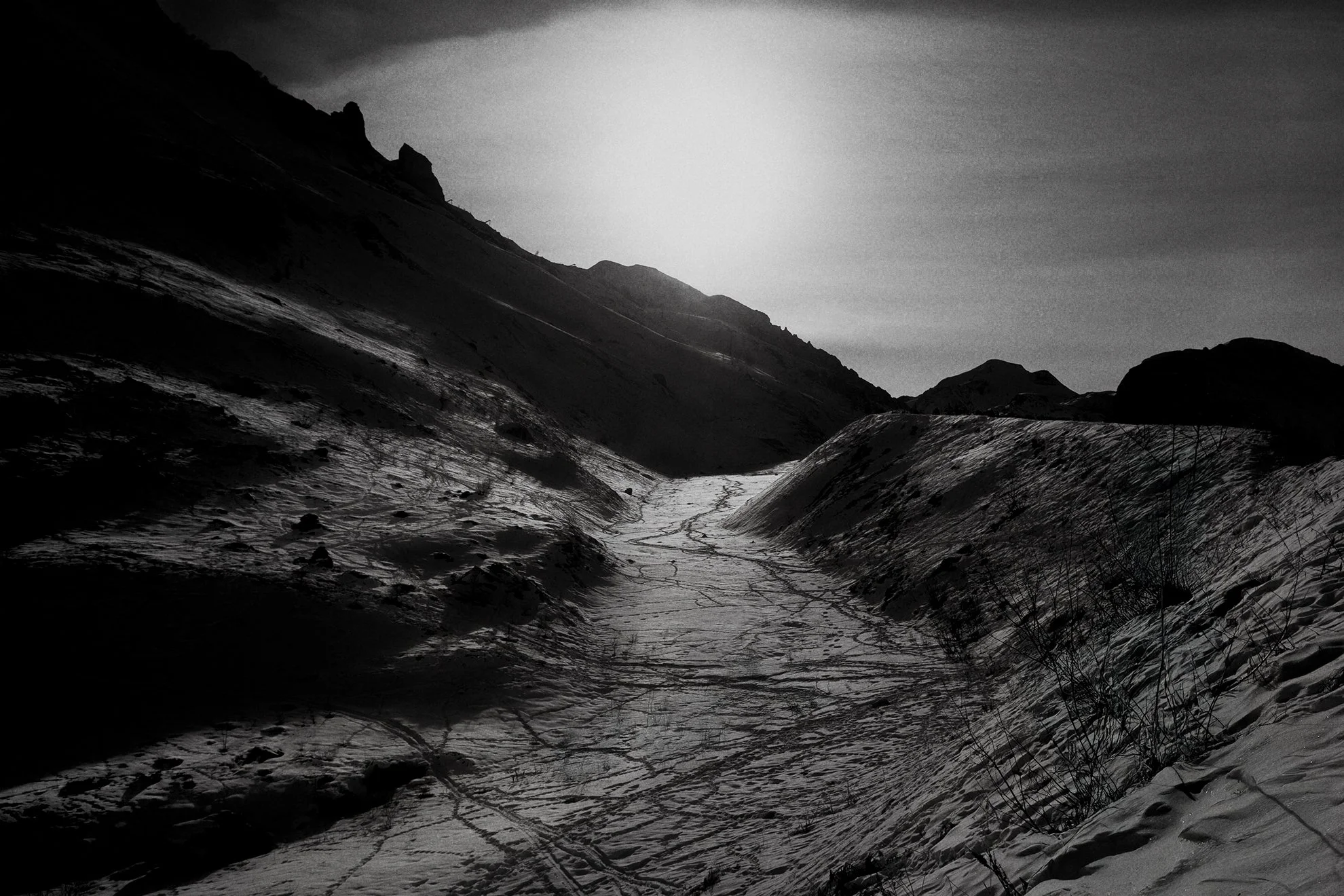
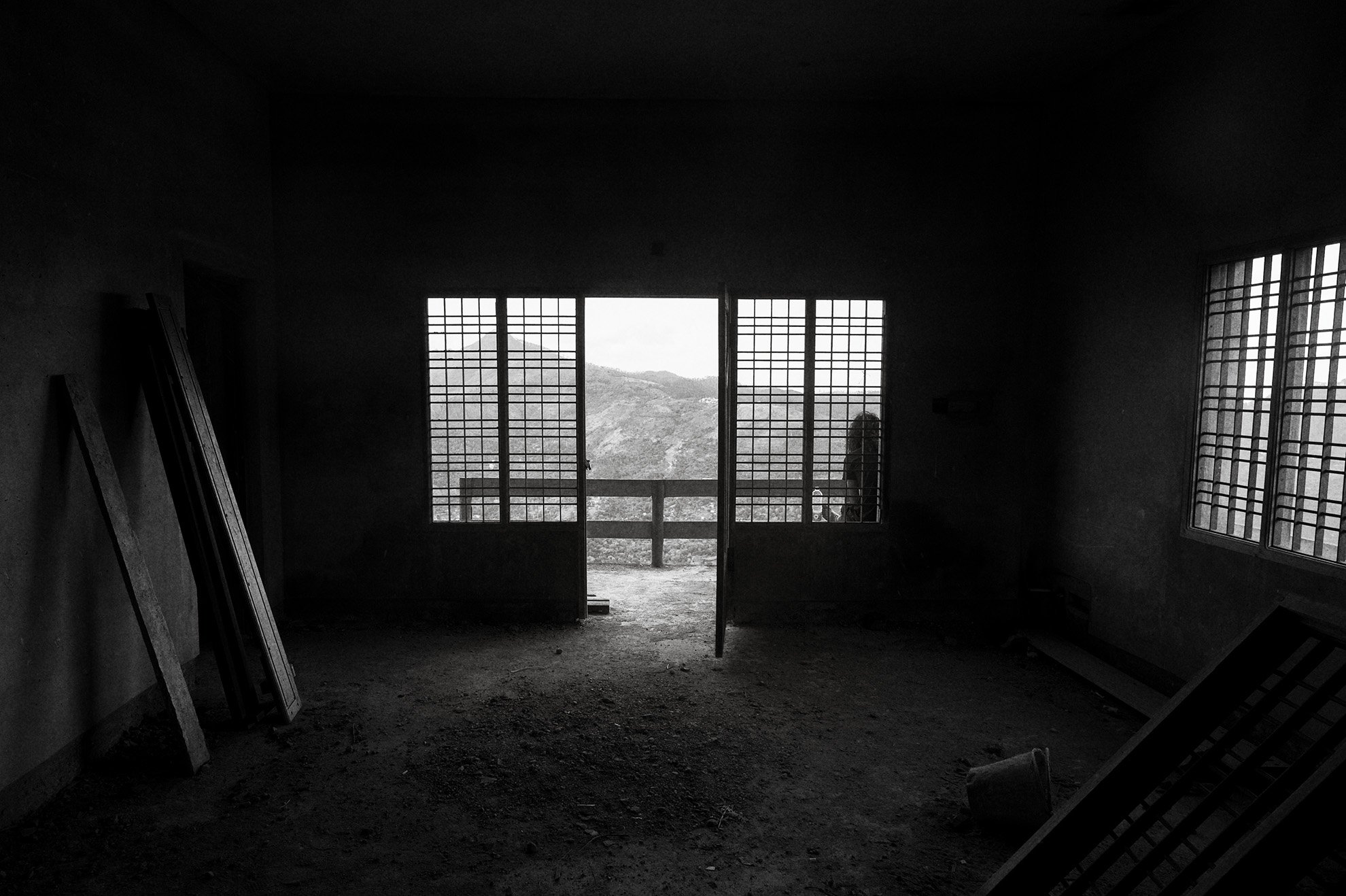
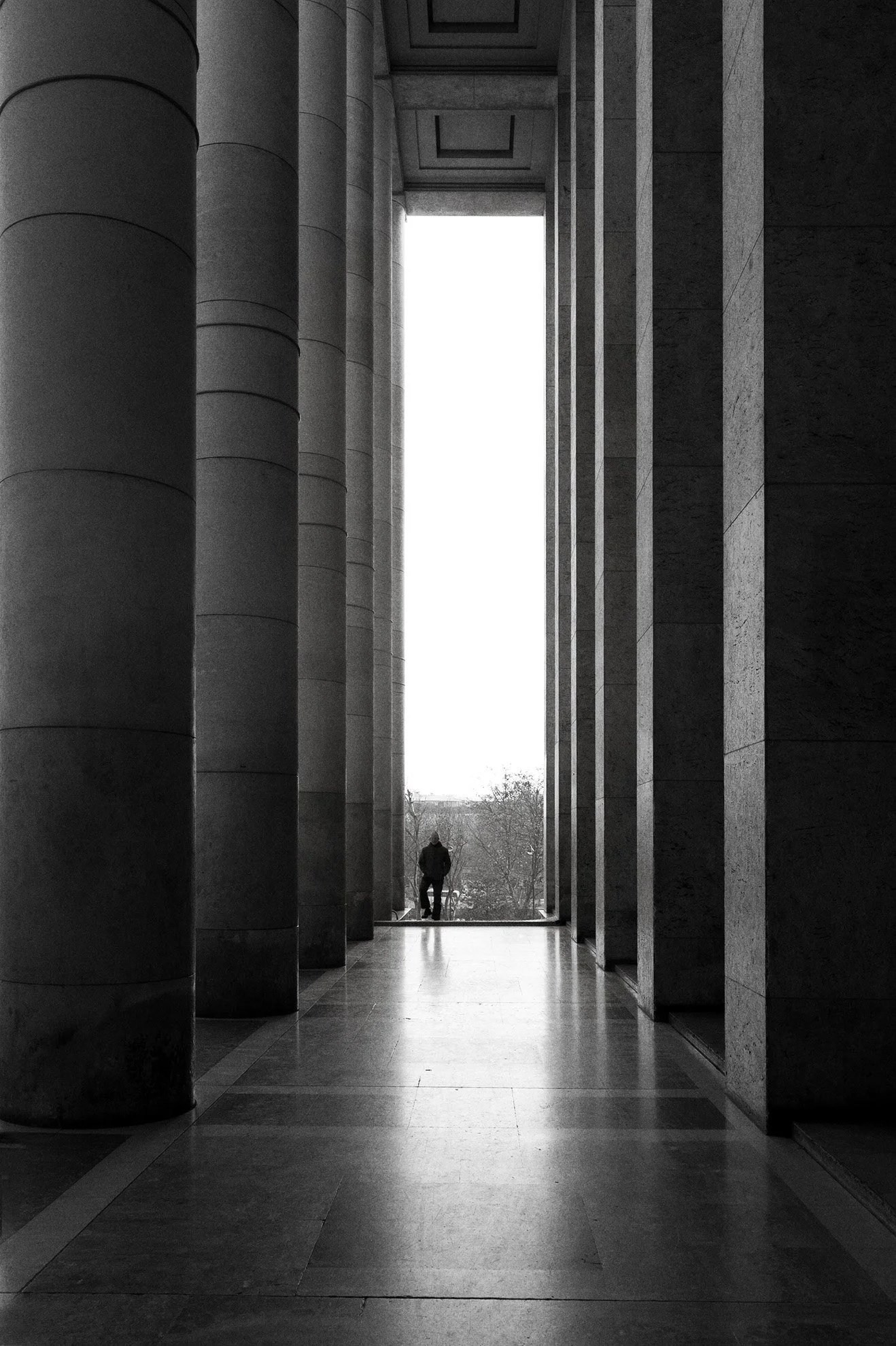
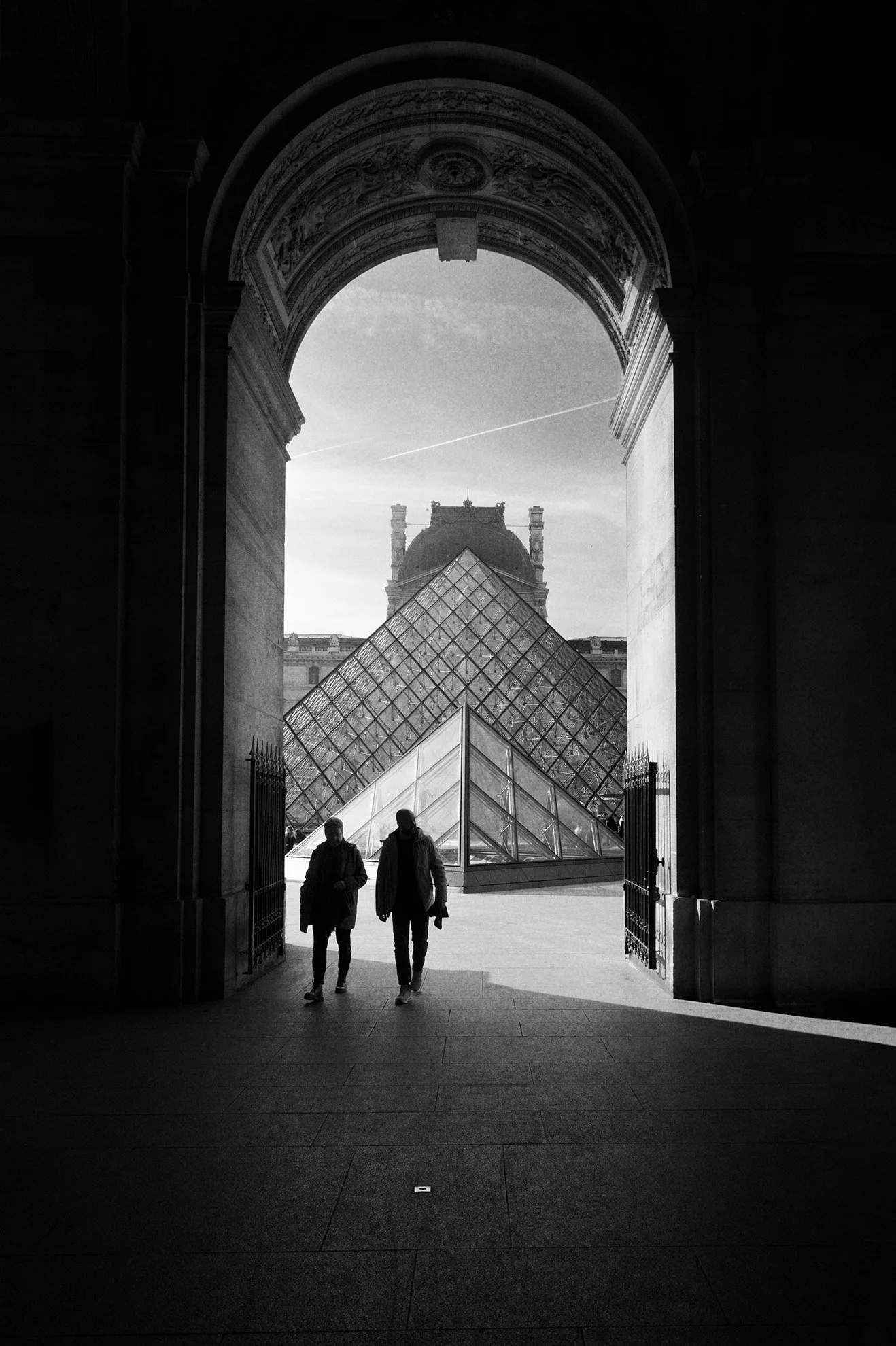
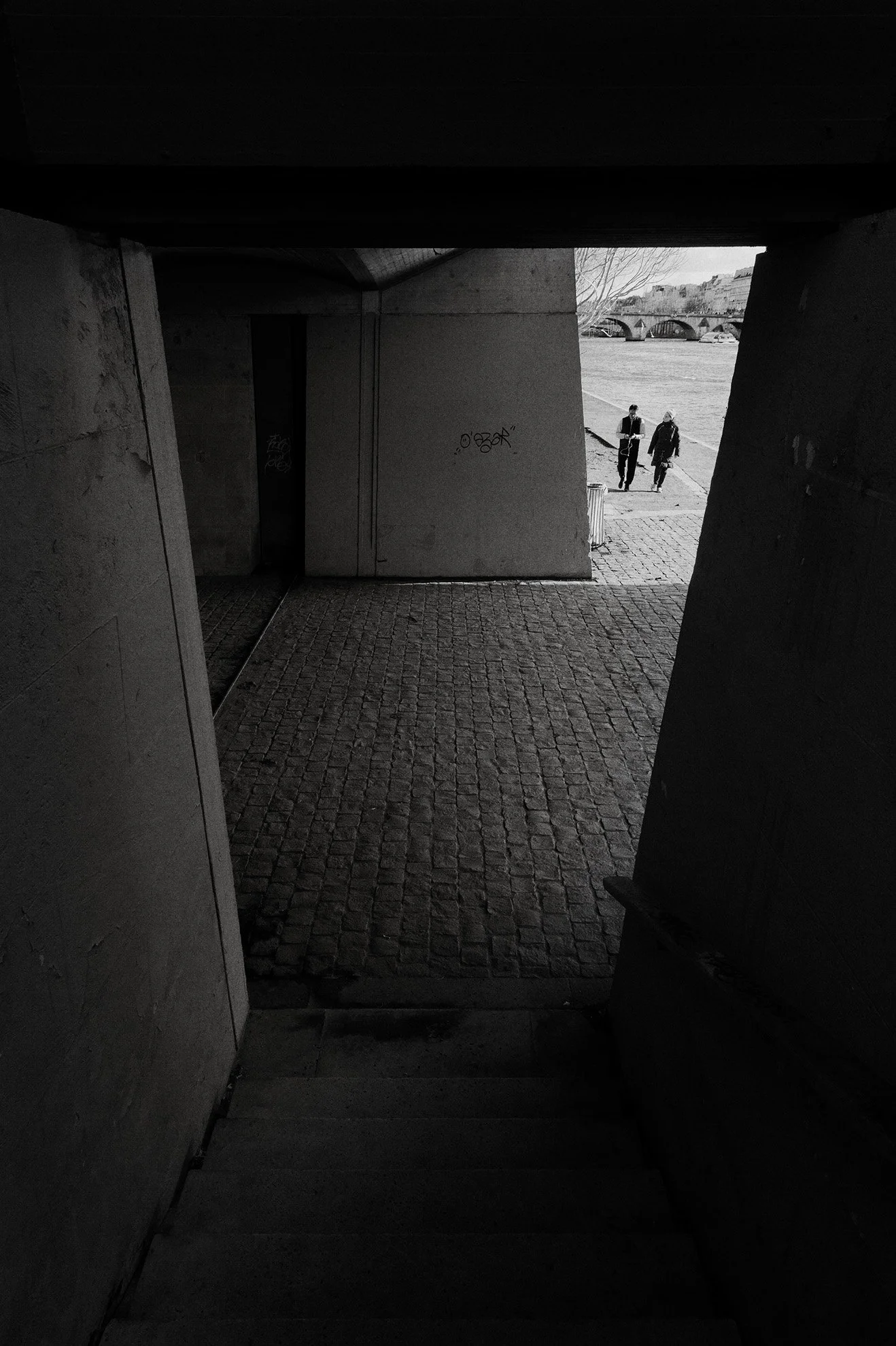
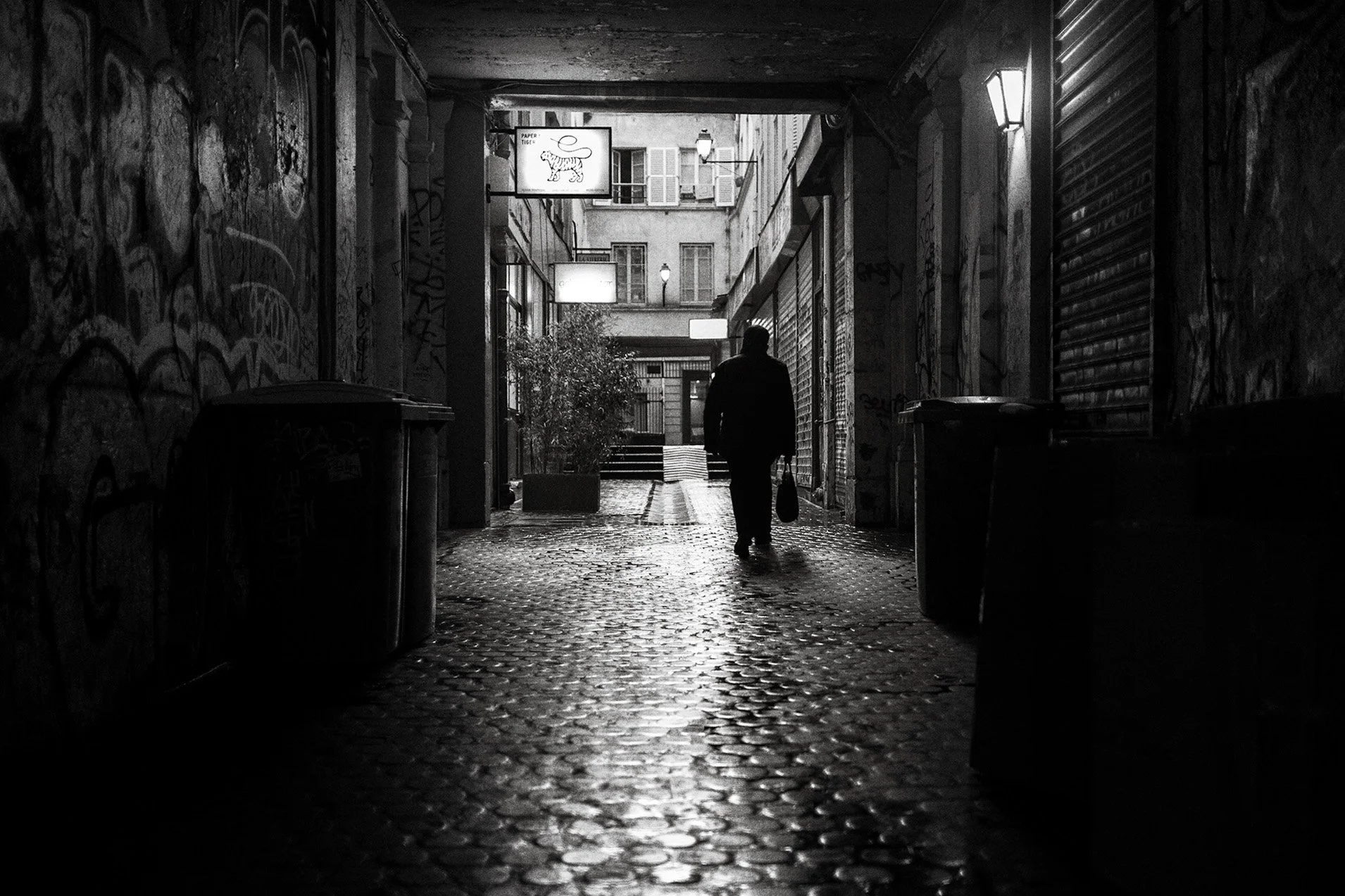
The Interior/Exterior series is a black and white visual exploration where each photograph features a human silhouette at the intersection of enclosed and open spaces. This minimalist and introspective series examines the subtle boundary between inside and outside, private and public, while playing with the duality of light and shadow. This series also explores the ambiguity of spaces: an interior can feel protective or oppressive, while an exterior can evoke a promise of escape or a sense of uncertainty.
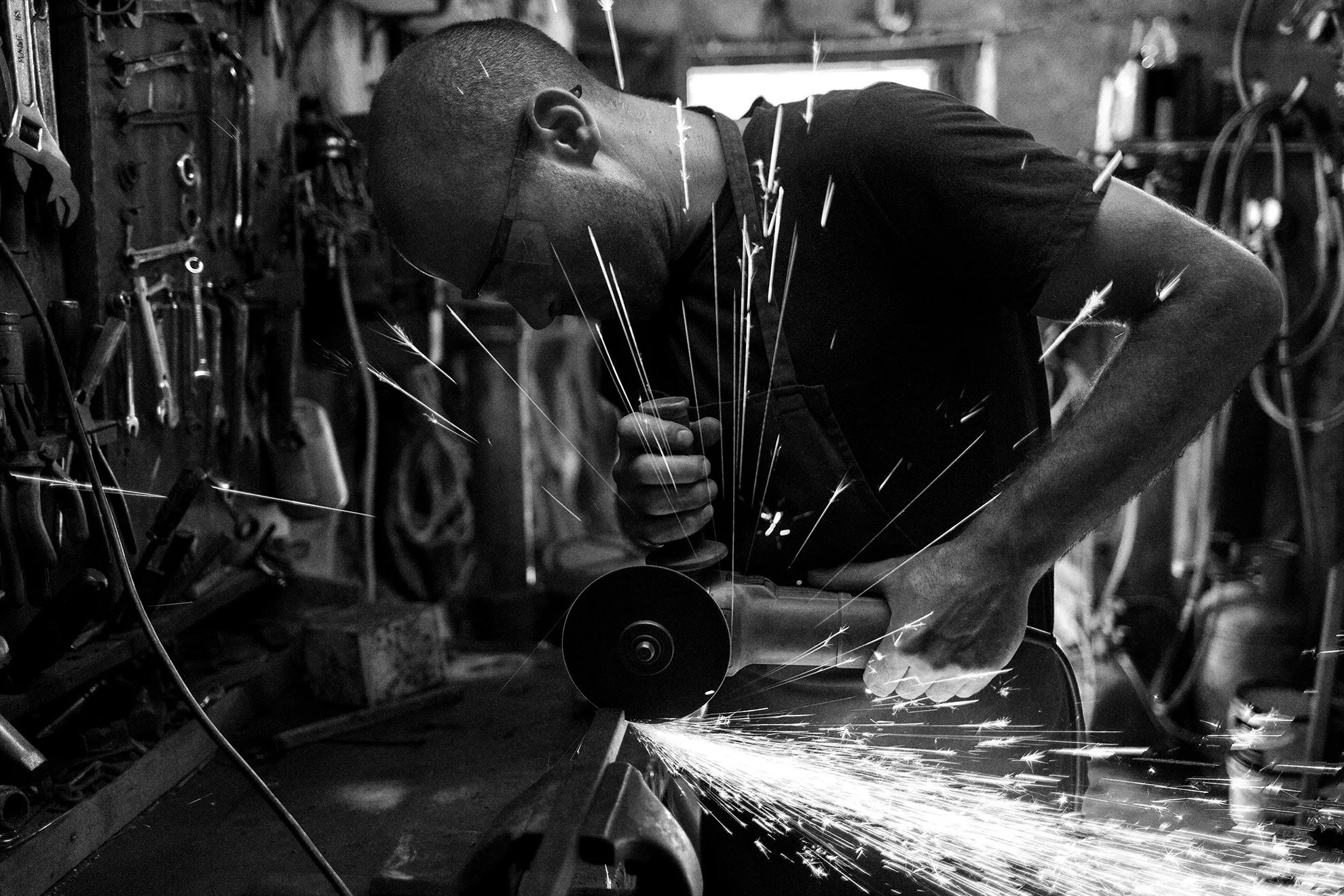
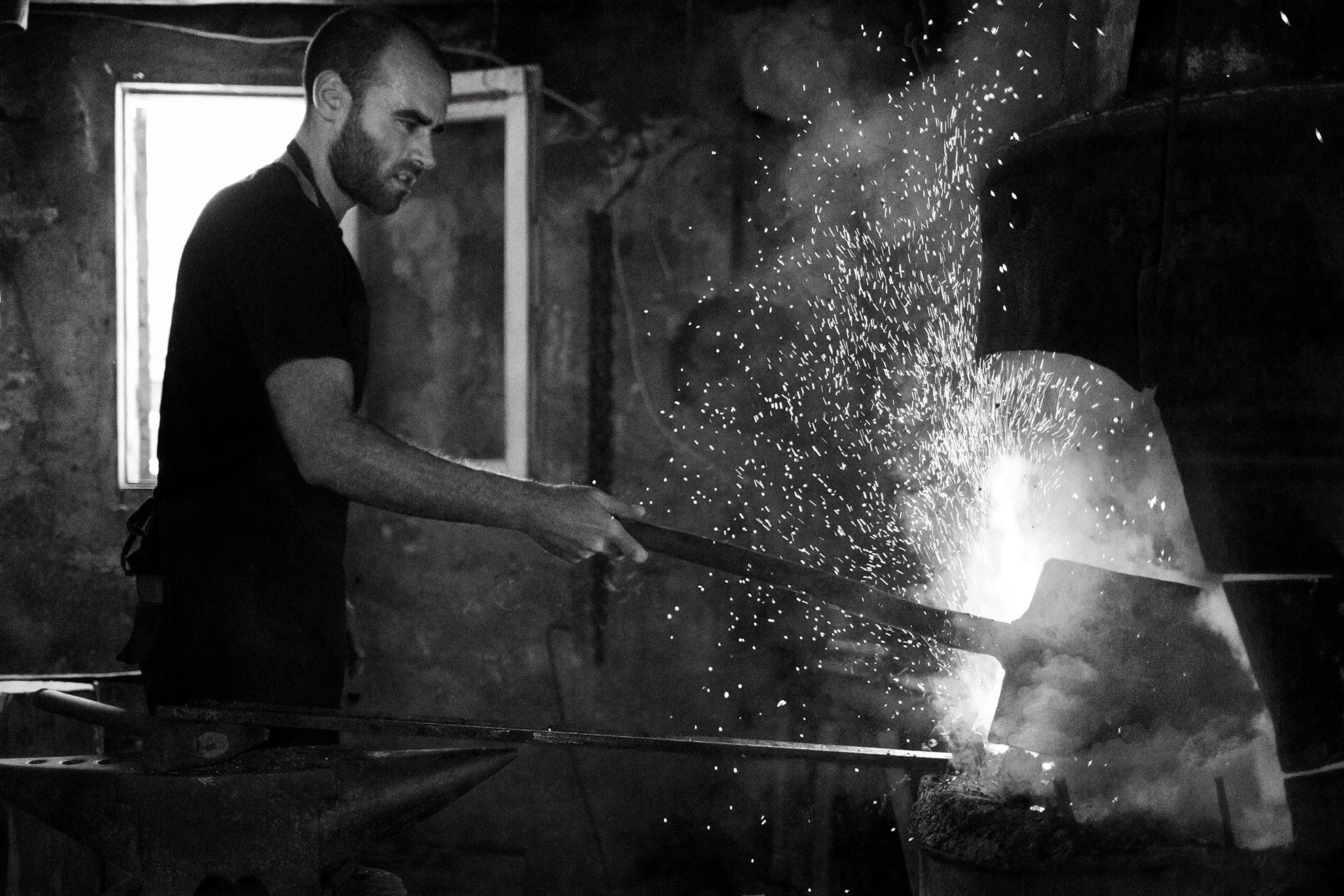
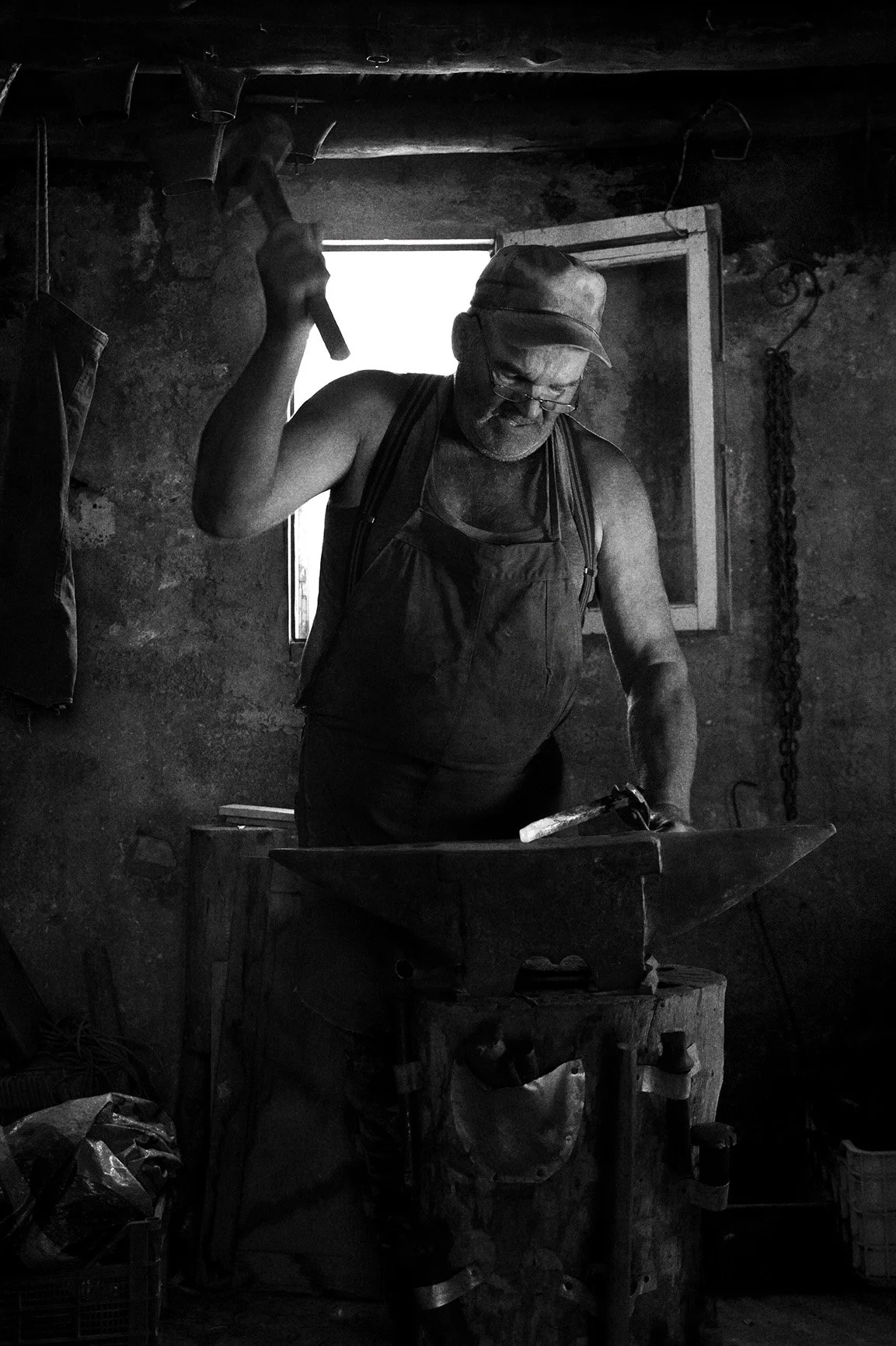
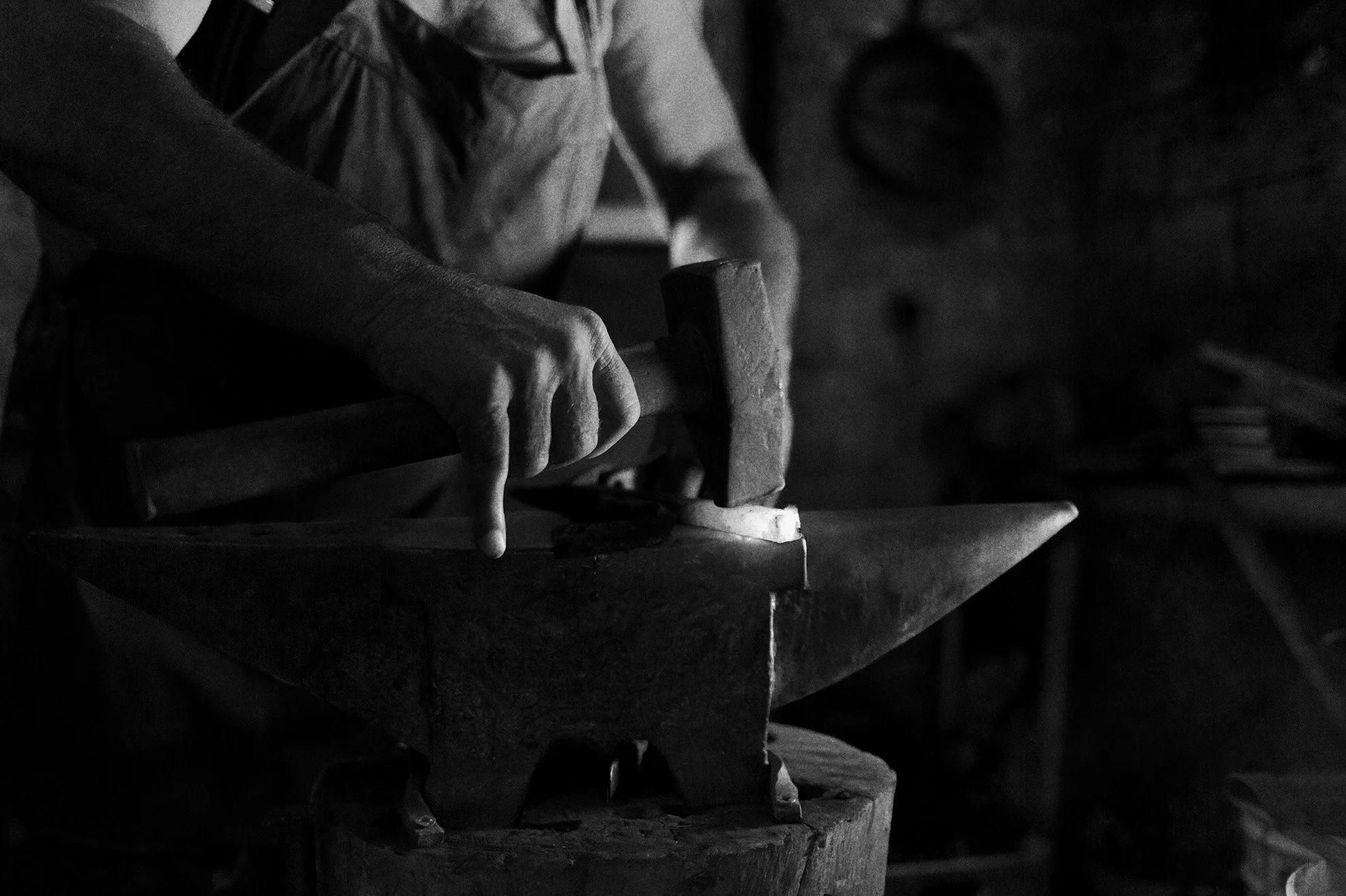
Blacksmiths on Astypaléa Greek Island : This photo series highlights blacksmiths preserving their craft as a family on a Greek island in the Dodecanese. It captures the precision of their movements, their dedication, and the transmission of an ancestral trade. Through these images, the beauty of manual labor and the strength of family heritage unfold in a unique island setting.